The Divination Procedure: Instruments, Sequence, and the Division of Authority · Ìpilẹ̀ṣẹ̀
The Divination Procedure: Instruments, Sequence, and the Division of Authority
What the instruments are, how a consultation runs from the client's whispered question to the prescribed offering, and which decisions belong to the diviner and which do not.
intermediatehigh30 min to read·0 source dem
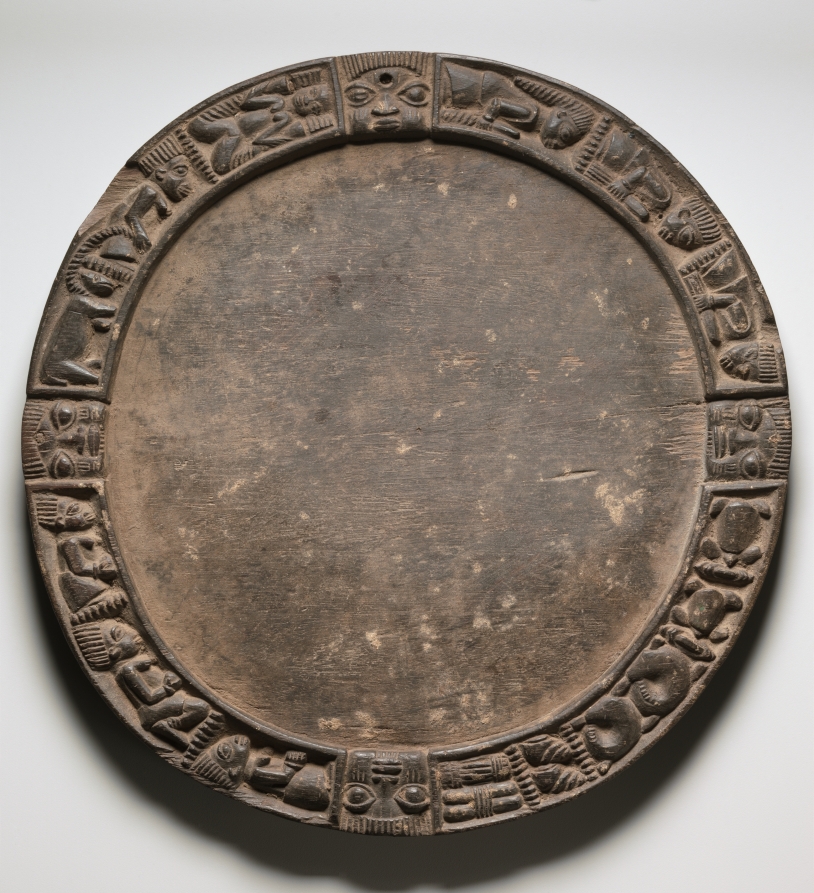
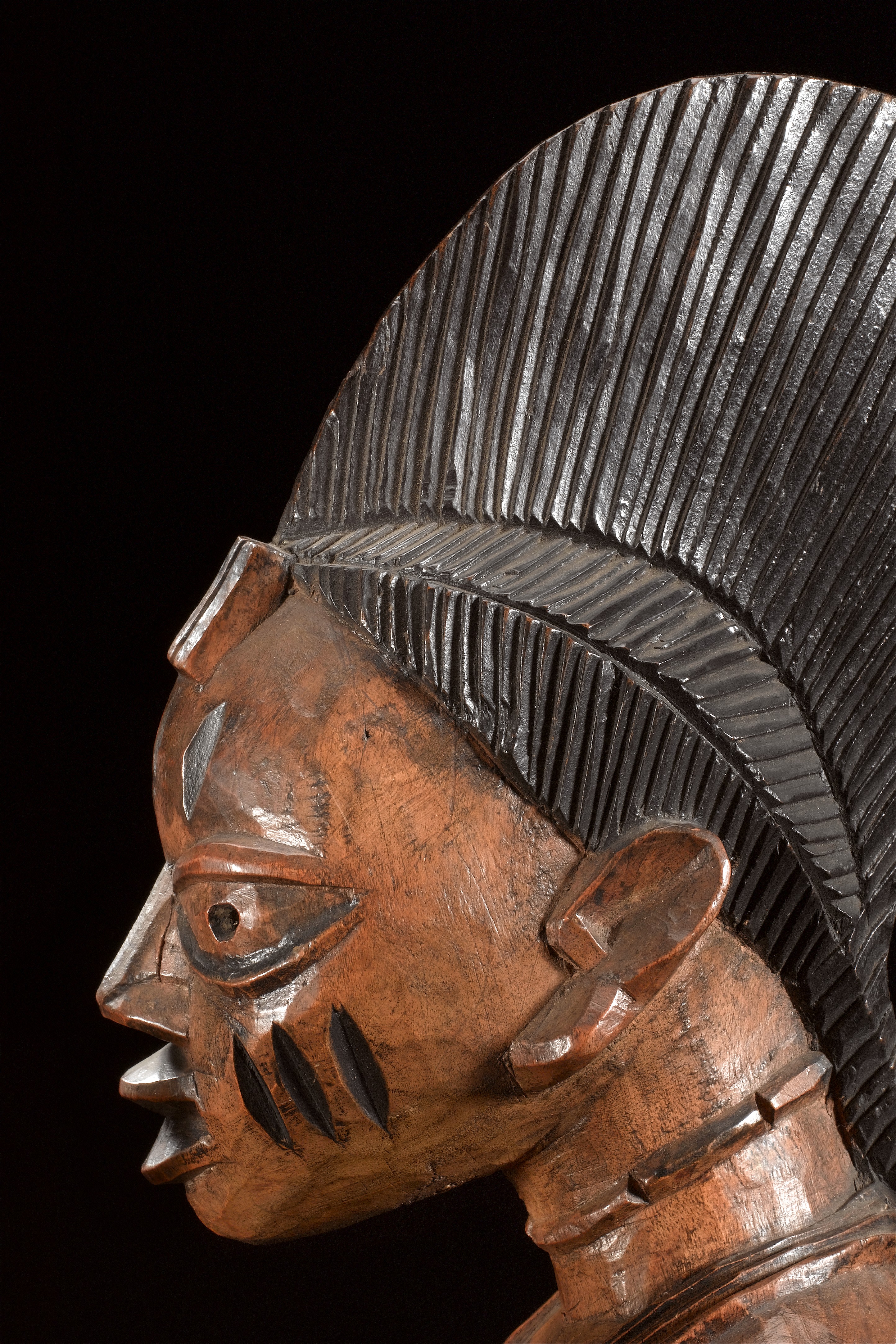
Divination Tray (ọpọ́n Ifá)Gift of Drs. James and Gladys StrainThe Cleveland Museum of Art · CC0
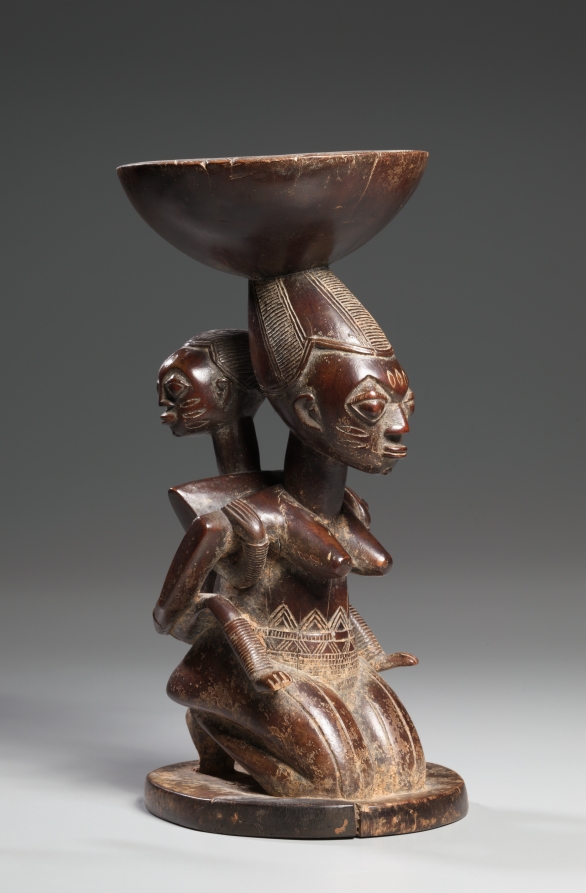
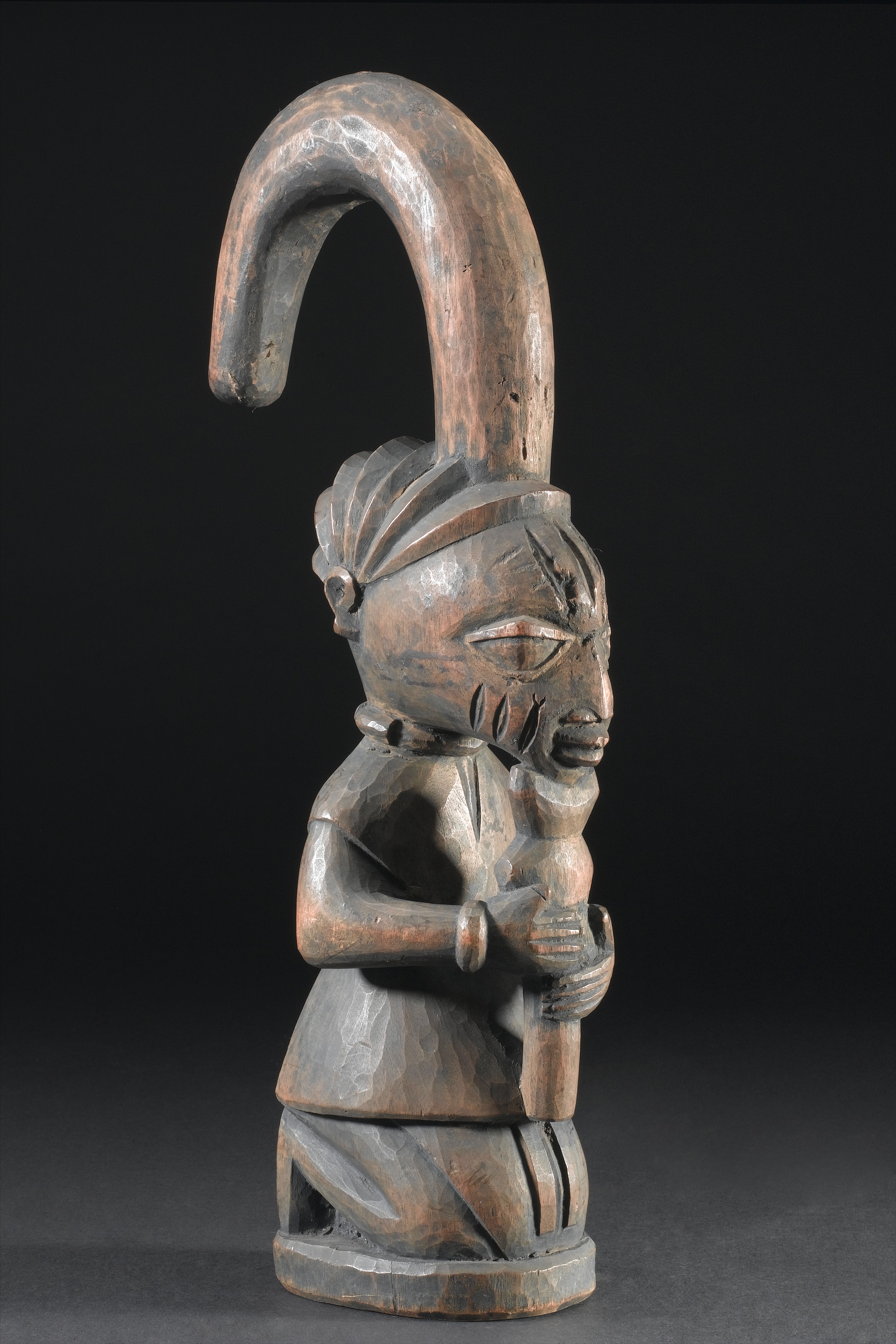
Ifá divination vessel (àgéré Ifá)Leonard C. Hanna Jr. FundThe Cleveland Museum of Art · CC0
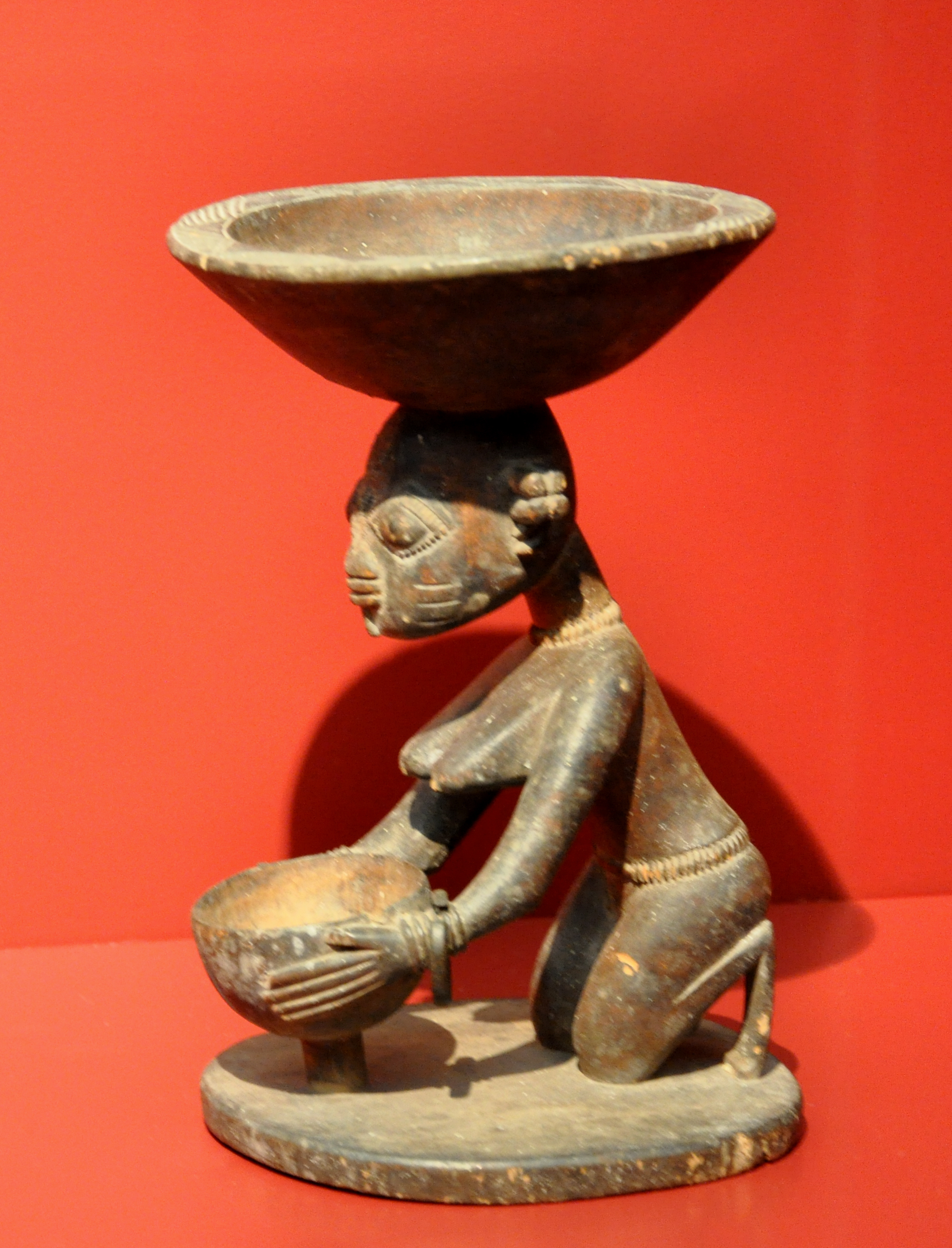
Orakelschale agere ifa Museum Rietberg RAF 652Self-photographedWikimedia Commons · Public domain
Divination consultation get particular way wey e dey follow. Di client go tell di instruments wetin e wan ask without make di diviner hear am, di diviner go cast to produce one of di 256 signatures, di diviner go recite di verses wey dey under dat signature reach when di client stop am for di one wey concern am, di diviner go interpret am and state di offering wey di verse talk make e do, and any question wey follow after go dey resolved through paired casts wey dem compare according to seniority. Di client go come do di offering, delay am, or refuse.
Dis file dey describe dat sequence as academic works document am. Na description of practice, no be instruction manual, and e deliberately leave out di invocations, ritual formulae, and secret knowledge wey initiates get wey dey make actual consultation wetin e be. Where di published record stop, dis file talk am so.
The instruments
Ikin, the sixteen sacred palm nuts
Di ikin na di primary instruments and di most important object for Ifá. For di tradition own account, dem no be tool wey Ọ̀rúnmìlà dey use but na wetin e leave for im place: when e finally go back to ọ̀run, "he replaced himself here on earth with the sixteen sacred palmnuts" Na why offerings for Ifá worship dey presented to di ikin wey dem keep inside dia bowl .
Dem be specific kind of nut, from palm tree wey get di designation ọ̀pẹ Ifá (Ifá palm-tree), and each of dem get four eyelets for di thick bottom edge . Abimbola record di belief say if even one of dis nut mix into palm oil production, e dey make di mixture foam excessively and spoil di grade, wey be why palm oil producers no dey cut fruit from tree wey dey bear dem .
Ọ̀pẹ̀lẹ̀, the divining chain
Na chain, metal or cotton cord, wey get eight half seed shells attached, four to each side of di bare middle section wey dem dey take hold am . Di shells dey come from di ọ̀pẹ̀lẹ̀ tree; shaped metal dey sometimes substituted . Each half shell get rough inner surface and smooth outer one .
Di diviner dey hold am for middle and throw am away from imself, onto mat or straw tray, so dat four shells go fall in a line on each side . One throw dey produce all eight positions.
Di two major sources state di comparison with ikin clearly. Abimbola: di ọ̀pẹ̀lẹ̀ "is easier to manipulate than the sacred palmnuts," wey only require make di diviner "cast the chain on the ground and quickly read the signature of the Odù presented thereby," and dem dey use am more often "because it is easier to manipulate and also easier to carry about" Bascom: one cast of di chain dey select figure where di nuts require eight separate manipulations .
Di division of use depend on occasion rather than rule. Abimbola: di diviner dey use di chain "for most of the private divinations involving individual clients" while reserving di palm nuts "for more important occasions of public or ritualistic interest," though "nothing stops him from using either of these two instruments for public or private divination"
How the reading differs. E no differ, for information level. Bascom state am clear: divination with di chain, "though regarded as inferior, is more rapid and permits the asking of questions through specific alternatives, but otherwise the two systems are identical. They employ the same set of figures with the same names and rank order, and the same verses" Di chain dey produce di same 256 addresses and retrieve di same corpus.
Wetin differ na status, speed, and di physical trace. Dem dey regard di chain as inferior . Di nuts dey leave marks inside powder on top tray, wey make di figure visible and durable throughout di consultation; di chain dey only show di figure while e lie down where e fall. And na di speed difference dey make di paired-cast question procedure practical, since dat procedure require plenty casts.
Ọpọ́n Ifá, the divining tray
Carved wooden tray, flat, of different shape and size, with raised carved border . E dey hold di iyèròsùn wey dem dey draw di marks put .
Di border carry imagery, and di imagery get orientation. Di section directly opposite di diviner na di ojú ọpọ́n, di face of di tray, and head of Èṣù dey characteristically carved there . Yorùbá trays generally dey carry at least one face on di border together with geometric motifs, figural or animal representations, or combination of dem . Di Drewals analysis distinguish serial from seriated arrangements of di border images .
Dem name di tray perimeter by quadrant: ojú ọpọ́n (face), ẹsẹ̀ ọpọ́n (feet of di tray), ọ̀nà kanran and ọ̀nà mùrún (paths), oriented respectively east, west, south and north with di diviner facing east and di feet of di tray nearest to am . Confidence on the cardinal correspondences: medium, since I get dem from survey source rather than from primary ethnographies.
Di tray dey important for di binary structure because na im dey establish orientation. As file 02 set out, right column and left column no be interchangeable, and Bascom note say e dey essential to differentiate di halves "by orienting the divining tray and the two halves of the divining chain properly" Na di tray dey fix which side be right.
Bascom record di term for di marks themselves: dem know dem as ojú ọpọ́n, di eyes of di tray .
Abimbola note say dis carved trays dey among di most admired Yorùbá woodcarvings, citing Frobenius wey illustrate twenty of dem and Bascom wey describe di form as probably di most versatile produced by Yorùbá woodcarvers . Di art-historical treatment belong to di arts section rather than here.
Iyèròsùn, the divining powder
Yellowish powder wey termites make on di ìrosùn tree, wey dem dey draw di marks inside . Powders from other trees, including akee apple, ìrókò and bamboo, dey sometimes substituted .
No be just surface to write on. Abimbola: di diviner dey keep am "as something of high symbolic and medicinal value," dem dey use am make many Ifá medicine because just like di sacred palm nuts, dem hold am say e dey represent di ritual and ancient power of Ifá, and after divination di client dey swallow part of am and rub part for im forehead .
For another place, Abimbola note say connection dey between di powder and Ọ̀ṣun, since yellow na im colour .
Dem document di marking technique well well. Bascom: dem dey use di middle finger of di right hand draw single line, and double line with di middle and ring finger together, as dem dey push or press di powder comot from di diviner body make di darker surface of di tray fit show . Dem dey call di process tẹfá, to press Ifá .
Ìróké, di tapper
Na tapered object wey dem carve from ivory, wood or brass, e thin for top and thick for bottom like elephant tusk . Di diviner dey hold am as sign of authority, and for high-ranking diviner, one of im student dey carry am for im front .
Im use na to strike di tray during divination, wey dem understand say dey invoke di presence of Ifá . Abimbola note say one loud noise wey dem mention for one of di verses must to come from striking di ìróké on top di divining board .
Agere Ifá, di bowl
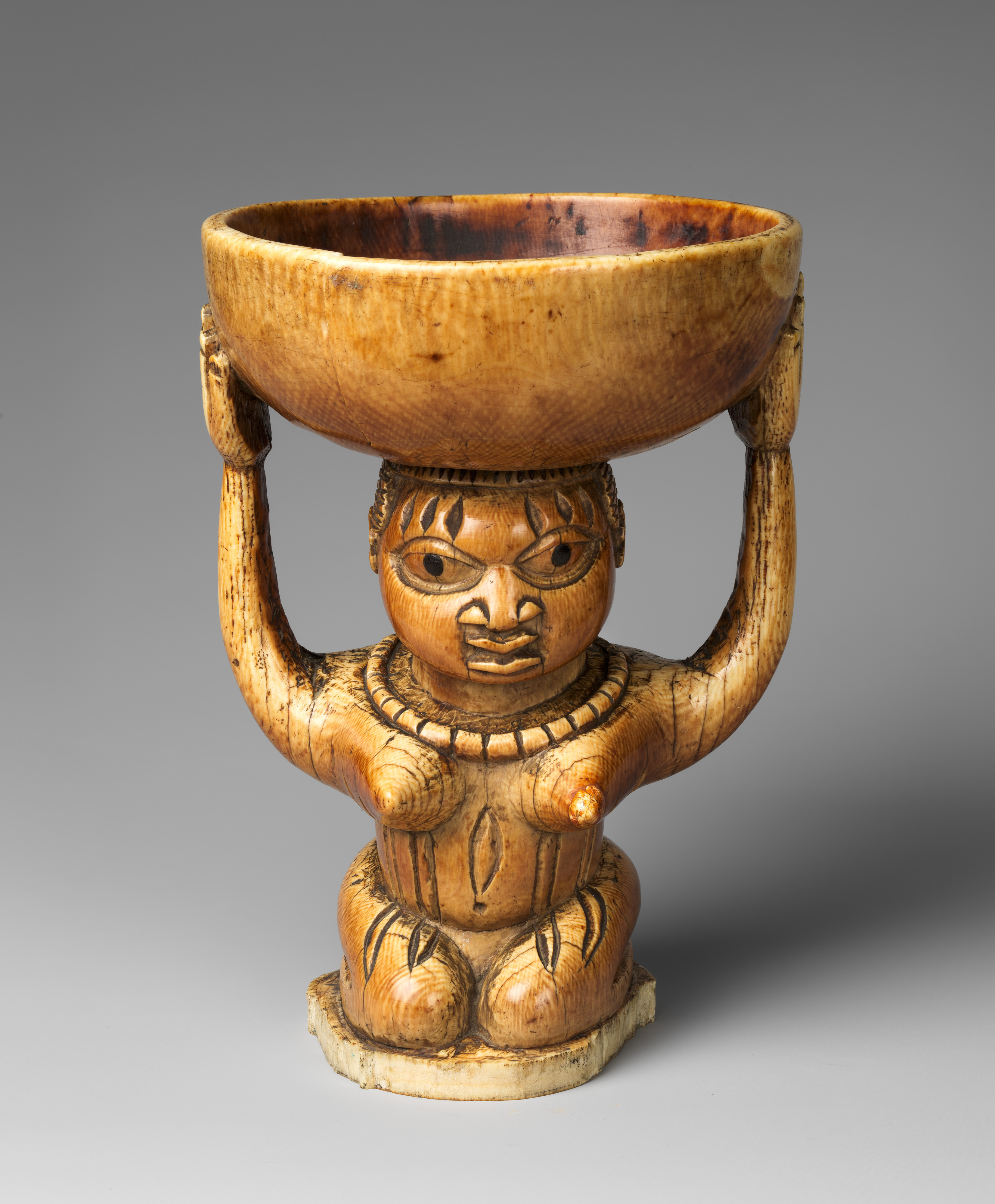
Di container for di ikin, wey usually get carved cover . Abimbola describe am say e divide into four compartments with raised edges plus central portion; dem talk say di four compartments dey represent di four corners of di earth, and dem dey keep di ikin for di central part to show di central position wey Ifá get for di Yorùbá world-view . Other things, cowries, kolanuts, and sometimes di chain self, dem dey keep dem inside di compartments .
Note on terminology. Abimbola text discuss these under ọpọ́n Ifá, awo Ifá as wooden bowls, trays and dishes, and e no use di word agere for di passage wey I work from. Agere Ifá na di standard term for museum catalogues and art-historical writing for di carved, often figurated cup wey dey hold di palm nuts. I use am here for clarity and to show say di way terms match between ethnographic and art-historical literature no be one to one. Confidence: medium.
Ìbò, di lots
Di instruments to take narrow message reach specific answer. Abimbola: "e consist of pair of cowries wey dem sew together wey stand for 'yes' and piece of bone wey stand for 'no'"
Other objects dey join dem, each one get meaning: piece of hard stone for good health and strong body, di black seed of di akee apple for Ọ̀rúnmìlà imself, wey dem believe say black well well . Every diviner dey carry plenty of dis kind objects, wey dem pick from things wey di Yorùbá connect with particular human characteristics .
Apó Ifá, di bag
Cotton or leather bag, wey dem normally dye with indigo, wey dem dey carry for shoulder, wey dey hold di chain, di ìbò, di ìróké and di rest . Dem dey call diviners akápò, carriers of di Ifá bag, from dis habit, and na di bag be di most visible sign wey dey distinguish diviner for crowd .
Abimbola give di reason why dem dey always carry am, and na professional duty rather than convenience: anybody fit stop diviner for road ask for divination, "di ever-patient Ifa priest must never refuse any request like dat," and e no must fit give excuse say im instruments dey another place .
Ọ̀ṣun, di staff
Iron staff wey only senior diviners dey hold, wey dem believe say dey represent deity wey connect closely with Ifá worship . Dem no must ever allow am fall for side, and dem dey keep am upright for corner wey children and animals no fit reach, wey support di proverb "Ọ̀rọ̀ gangan ni à ń bọ Ọ̀ṣun", Ọ̀ṣun dey always dey in erect position . Dis Ọ̀ṣun na di Ifá staff and make dem no confuse am with di òrìṣà Ọ̀ṣun.
Di sequence of consultation
Setting
Private consultation dey take place for quiet corner inside di diviner house . Public divination dey happen when matter affect di whole community, like when rain no fall, epidemic disease, or locusts, and dem dey hold am for public place or for di ruler court with important members of di community present as witness, and na high-ranking diviners dey conduct am .
Di client dey ask di question
Di client dey speak to di divination instruments, or to coin or cowry shell wey e go come drop on top dem . E dey speak for mind or dey whisper.
Di reason wey dem give na di epistemological foundation of di whole system. Abimbola: dem dey do dis "so as to prevent di possibility of creating bias for di mind of di Ifa priest regarding di interpretation of di Odù wey go eventually appear" Di procedure dey designed to deny di practitioner information wey go let am shape di answer.
Di cast
Di diviner dey manipulate di ikin or throw di ọ̀pẹ̀lẹ̀ to reach signature, through di mechanics wey dem set out for file 02 . Dem dey keep di first figure wey cast reach when time reach to recite. Bascom record im name: opó ilẹ̀, post of the ground, "because e 'stand on the ground'"
Di recitation
Di diviner "dey start immediately to chant as many poems as e know from dat particular Odù" E no know di question. E no dey select for relevance because e no get basis wey e go take select.
Di client dey stop am. Abimbola: "Na duty of di client to stop di Ifa priest when e reach di poem wey seem to be most relevant to im own purpose. In other words, na di client imself dey select di poem wey relevant to im own problem"
Interpretation and prescription
Once dem identify di relevant verse, di diviner go interpret am, and di interpretation "include di prediction and warning of Ifá inside di poem as well as di sacrifice wey di client must offer"
Di offering no be wetin person dey invent. E dey attach to di verse and na together dem dey learn am: part of di training "consists of the memorization of materials required for the performance of the relevant sacrifice to each Ifá poem," and "to every Ifá poem there must be a prescribed sacrifice" Wetin di diviner dey report na wetin di verse specify.
Follow-up question dem with di ìbò
If di client get extra question dem, di diviner dey use di ìbò . Abimbola note say dis stage "usually takes more time than all the previous steps put together"
Di procedure: di client go whisper yes/no question enter di ìbò, di diviner go collect am and touch am to im instruments, dey tell Ifá say dem don hear di question and dey ask for di answer . Di client go hold one ìbò for each closed hand. Den di diviner go cast two times.
Di rule to get di answer dey depend on di seniority ranking from file 03. Abimbola: if di second cast bring out Odù wey senior pass di first one, di diviner go tell di client make e open im right hand; if na junior, di left hand . Any object wey dey di hand wey dem call na im give di answer: cowries mean yes, bone mean no . If di answer na no, di process go continue until dem see yes .
Bascom describe di same mechanism from di oda side: say di diviner "makes two casts, one for the affirmative statement and one for the negative, and the answer is that proposition for which the higher ranking figure is cast"
Na why di ranking argument dem wey dey documented for file 03 no be ordinary theoretical matter. Two lineages wey get different orders go resolve di same pair of casts to opposite answers. Wetin Bascom observe say di ranking "is important for answering questions asked in terms of specific alternatives" na di operational point .
Di offering
Wetin Abimbola talk about wetin dey happen next dey remarkable for how much freedom di client get.
To do di offering immediately dey regarded as something wey dey work pass to delay am, "however, the client is not forced to perform the sacrifice immediately. In fact, he may refuse to perform the sacrifice altogether"
When di client ready, dem go gather di materials and di diviner go determine, sometimes with more use of di ìbò and more casting, wetin dem go do with di offering . Dem fit place am for crossroads, or for shrine of one particular divinity . Dem fit allow di diviner keep part of am, or dem fit no allow am . How dem go take dispose am dey follow wetin di divinity want and di ritual practice wey match di case .
Di doctrinal weight wey dem put on offering heavy well-well: plenti verses dey end by stressing im importance and warning about wetin go happen if person neglect am, and to neglect prescribed offering na di main point wey dey determine wetin plenti verse outcomes go turn to . Di concept of ẹbọ itself dey under di cosmology section.
Wetin di diviner dey decide and wetin e no dey decide
Dis division na di reason why di system no gree accept di description of ordinary fortune-telling, and e make sense make dem state am as list.
Di diviner no dey decide wetin be di client question, since dem no tell am . E no dey decide which Odù dey show, since na di cast dey produce am. E no dey decide which verse apply, since na di client dey stop am . E no dey decide which offering dem need, since e dey attached to di verse wey e learn . E no dey decide di answer to yes/no question, since dat one dey follow from di seniority comparison . E no dey decide whether di client go comply .
Di diviner dey decide which of di verses wey e know for dat Odù e go recite and di order wey e go take recite dem, wey be real freedom wey people never really examine well, since fit be only small part of dem e know. E dey decide how e go interpret di chosen verse against situation wey e don know something about now. E dey decide how e go phrase warnings. E dey decide, sometimes with more casting, how dem go take dispose di offering .
Wetin e dey bring come na di corpus itself. Im value na memory, interpretive skill, and di specialised knowledge (medicine, midwifery, and wetin Abimbola call psychiatric function) wey im post-initiation training give am .
Di design intent clear to see whether person accept di system premises or not. Plenti structural features dey work together to limit di practitioner: dem hide di client question, di outcome dey randomized, na di client dey select di verse, and dem fix di prescription to di verse. All of dem together come leave di diviner with far less space to fabricate anything pass wetin simple mind wey dey look divination go assume.
Wetin dis file no describe
Di record wey dem don publish no complete and di gaps no be by mistake.
Di invocations wey dey open consultation, di formulae wey dem dey direct to Ọ̀rúnmìlà and to Èṣù, and di order of greetings, dem describe dem for outline for inside literature but dem no reproduce dem here.
Initiation-restricted procedure, and anything wey join body with di òrìṣà Odù, no be public matter. Ogunnaike note say both di sacred corpus and di òrìṣà Odù na secrets wey dem dey guard tight-tight .
Di preparation of àkọ́ṣẹ́ and medicines wey attach to verses na specialist knowledge wey dem dey pass down inside di profession and dem mostly never publish am, except for di compilation wey Verger do .
Regional variation for procedure dey real and dem never document am well. Wetin dey here na principally from Abimbola, from southwestern Yorùbáland, and Bascom, wey lean towards Ifẹ̀.
Anybody wey wan know how dem dey do divination, as opposed to wetin e be, must be person wey practitioner teach over plenti years. Confidence on di completeness of dis description: contested, for di specific sense say na accurate account of wetin dem don publish, and people know say di published record no complete.