Ifá, Ẹ̀ẹ́rìndínlógún, Obì and Agbìgba: Four Systems, Not One
A comparative analysis of the four primary Yorùbá divination methods, distinguishing their instruments, mathematical structures, priesthoods, and ritual scopes.
intermediatehigh·
A comparative analysis of the four primary Yorùbá divination methods, distinguishing their instruments, mathematical structures, priesthoods, and ritual scopes.
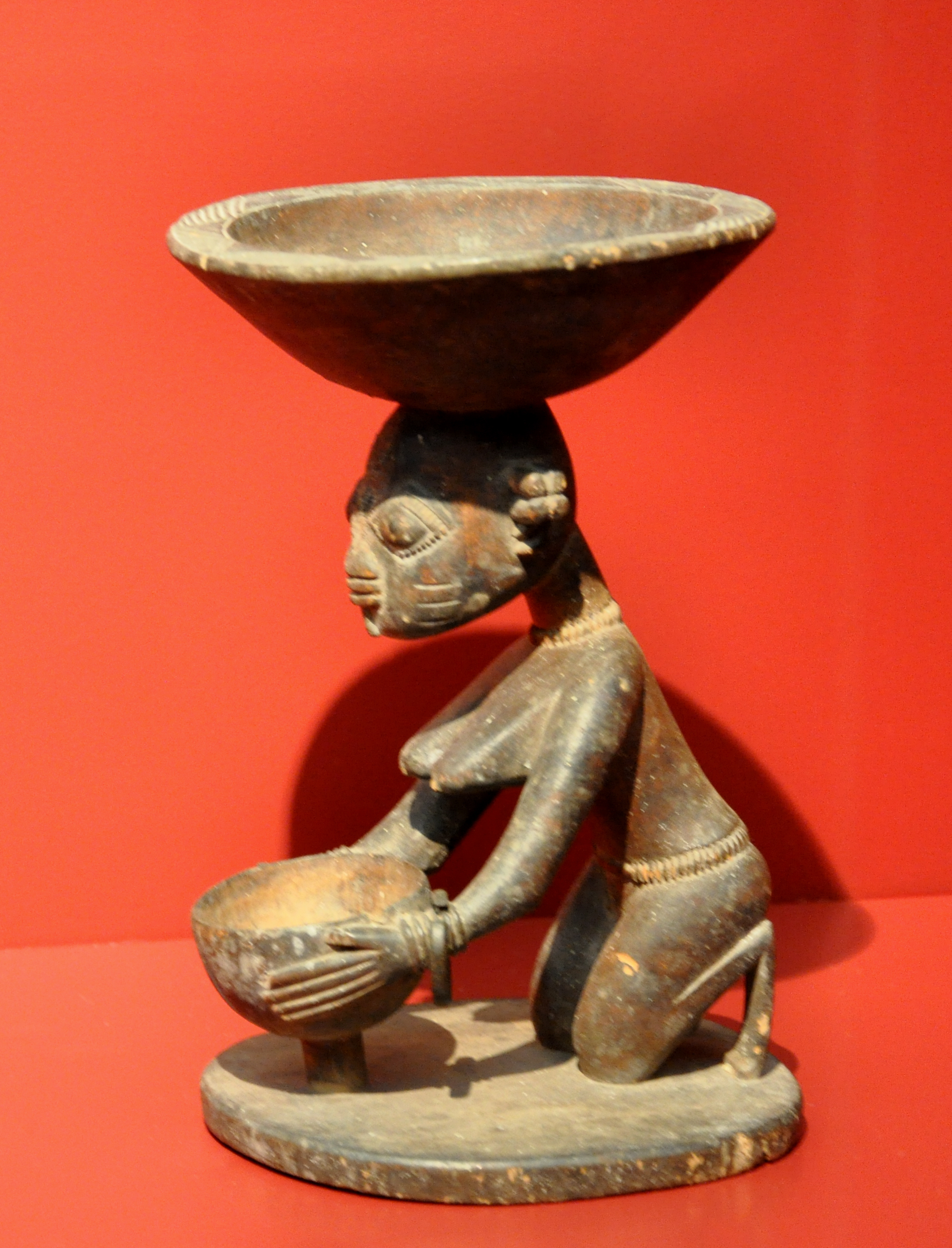
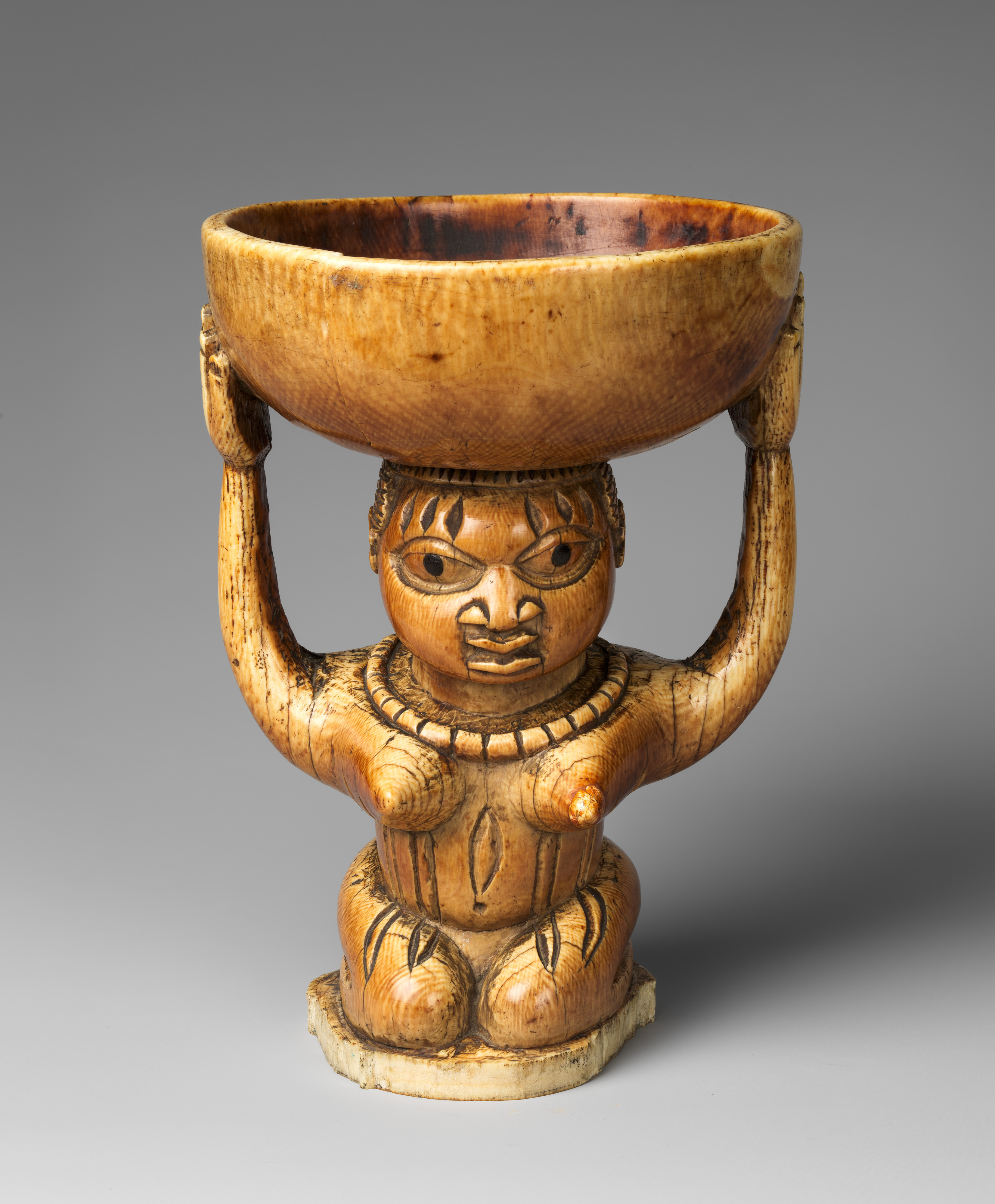
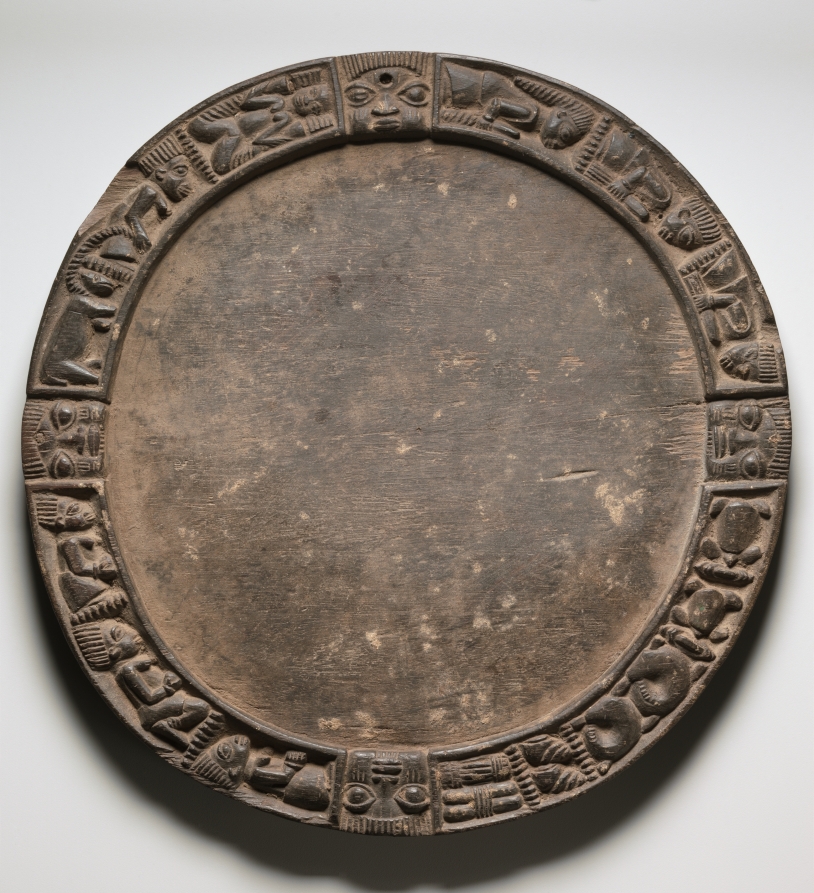
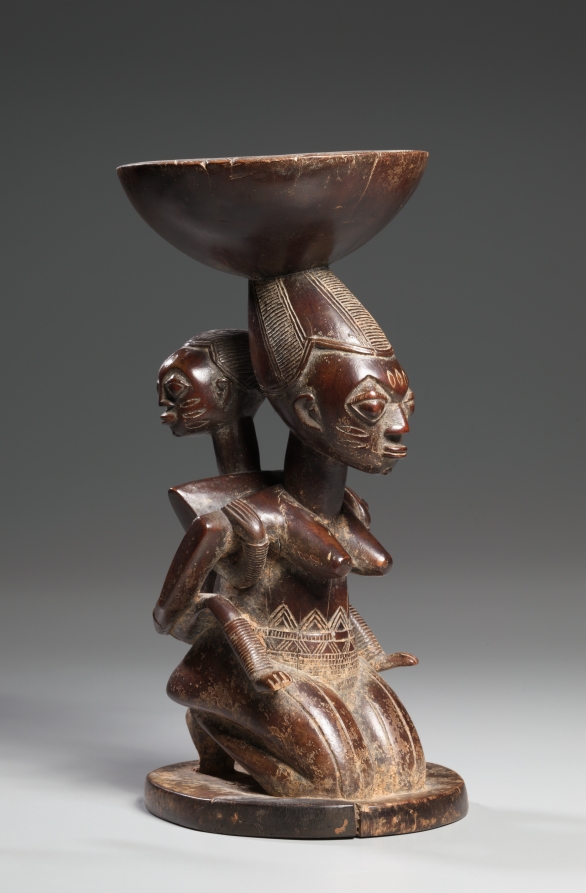
Plenti popular and introductory write-up dey describe Yorùbá divination like say na just one single monolithic practice wey mean di same thing as Ifá. But for historical and ritual reality, Yorùbá religious life dey depend on at least four distinct systems of divination: Ifá, Ẹ̀ẹ́rìndínlógún, Obì-dídà, and Àgbìgbà [S1, S2, S3]. Each one dey operate with im own specific physical apparatus, mathematical combinatorial logic, oral literary canon, and priesthood requirements [S1, S2]. To mix dem together dey flatten di institutional division between di specialized priesthood of Ọ̀rúnmìlà and di devotional priesthoods of other Òrìṣà, while e dey cover important regional and functional variations across Yorùbáland [S1, S4].
Di four systems dey occupy distinct operational domains, from binary sacramental validation reach encyclopedic geomancy.
| System | Primary Instrument | Mathematical Permutations | Presiding Authority / Priesthood | Primary Functional Scope |
|---|---|---|---|---|
| Ifá | 16 palm nuts (ikin) or 8-half divining chain (ọ̀pẹ̀lẹ̀) | 256 Odù (16 Ojú Odù + 240 Àmúlù Odù) | Ọ̀rúnmìlà (wey Babaláwo and Ìyánífá dey operate) | Comprehensive destiny consultation, major life crises, canonical poetry (ẹsẹ̀) [S1, S5] |
| Ẹ̀ẹ́rìndínlógún | 16 cowrie shells (owó ẹyọ) wey dem dey cast for mat or tray | 17 quantitative states (0–16 open), 16 named Odù | General Òrìṣà priesthoods (Ṣàngó, Ọ̀ṣun, Ọbàtálá, etc.) | Community and devotee consultation, Òrìṣà ritual guidance [S2, S4] |
| Obì-dídà | 4 lobes of sacred kola nut (Obì Àbàtà) | 5 fundamental binary configurations | Elders, devotees, and all initiated priests fit access am | Sacramental interrogation, to verify say dem accept offerings (ẹbọ), binary confirmation [S1, S4] |
| Àgbìgbà | 4 parallel four-marker cords or strings | 256 permutations (wey dem arrange across 4 structural units) | Regional divination specialists (Yagba, Ekiti, Confluence) | Regional geomantic inquiry, local communal and lineage problem-solving [S1, S3, S6] |
Ifá na di supreme geomantic system of Yorùbá religion, wey dem dedicate only to Ọ̀rúnmìlà, di deity of wisdom and witness to destiny [S1, S5]. Na only trained initiates fit operate am: di male Babaláwo ("father of secrets") and di female Ìyánífá ("mother of Ifá") [S1, S5].
Di primary apparatus of Ifá get two alternative instruments:
The binary logic of Ifá:
Single mark (I)  = Convex / Open
Double mark (II) = Concave / Closed
Example: Èjì Ogbè (All single marks)
I   I
I   I
I   I
I   I
Di mathematical architecture dey produce 256 distinct figures or signs, wey dem dey call Odù: 16 principal Odù (Ojú Odù) and 240 paired derivatives (Àmúlù Odù or Ọmọ Odù) [S1, S5]. Each Odù dey serve as index for one massive collection of memorized poetic verses (ẹsẹ̀ Ifá), wey contain mythic precedents, historical narratives, medical prescriptions, and instructions for sacrifice .
Ẹ̀ẹ́rìndínlógún (wey etymologically comot from ẹ́ẹ́rin-dín-lógún, meaning "fourteen less than thirty" or "sixteen") na di primary divination apparatus wey di priesthoods of deities apart from Ọ̀rúnmìlà dey use, including Ṣàngó, Ọ̀ṣun, Ọbàtálá, and Ọya [S2, S4].
Unlike Ifá, wey dey generate qualitative binary permutations for inside vertical column, Ẹ̀ẹ́rìndínlógún dey rely on quantitative sum:
Apparatus: 16 cowries (owó ẹyọ) prepared by opening their dorsal backs.
Casting: The 16 shells are tossed onto a flat woven mat (ẹní) or specialized basket.
Calculation: The priest counts how many cowries land with their natural apertures ("mouths") facing upward.
Di casting dey produce 17 possible numerical states, from 0 shells wey mouth open face up to 16 shells wey mouth open face up . Sixteen of these states match named signs wey share cognate names with di principal Odù of Ifá, like Òkànràn (1 shell open), Èjì Ogbè (8 shells open), and Ọ̀sá (9 shells open) .
One critical operational boundary dey between Ifá and Ẹ̀ẹ́rìndínlógún:
Dis institutional division dey make sure say Ẹ̀ẹ́rìndínlógún dey function as accessible, deity-specific oracle without to remove di structural authority of di Ọ̀rúnmìlà priesthood [S1, S2].
Obì-dídà (to cast di kola nut) na di most common and foundational method of divination across Yorùbá ritual life [S1, S4]. E no dey require multi-year formal apprenticeship or encyclopedic mastery of thousands of verses, wey make am accessible to household elders, devotees, and priests of every order .
Di system dey specifically use di kola nut wey get four lobes (Obì Àbàtà, botanical name Cola acuminata) . Di four lobes get gender difference according to how dem structure:
The five configurations of Obì-dídà:


Àlàáfíà (All 4 lobes open / white surface facing upward)
Significance: Complete peace, open road, general blessing. Requires a confirming throw.


Ẹ̀jìfẹ́ (2 lobes open, 2 lobes closed; ideally 1 male and 1 female)
Significance: Unqualified confirmation, perfect balance, unshakeable "yes".


Ẹ̀táwà (3 lobes open, 1 lobe closed)
Significance: Instability, three against one, doubtful outcome. Requires a second cast to determine stability.


Ọ̀kànràn (1 lobe open, 3 lobes closed)
Significance: Clear "no", impending obstacle, rejection of current proposal.


Òyẹ̀kú (All 4 lobes closed / outer skin facing upward)
Significance: Absolute negation, blockage, danger, or deep presence of the Ancestors (Egúngún).
Dem no design Obì-dídà to analyze person full life or to map out person destiny. Instead, e get clear procedural function wey e dey do: to confirm weda Òrìṣà or ancestor accept sacrifice (ẹbọ), to ask direct yes/no questions, and to start daily prayers for family shrine [S1, S4].
Àgbìgbà na different regional divination tradition wey dey mainly among northeastern Yorùbá subgroups, particularly inside Yagba and Ekiti areas, and e reach people wey dey live near Niger-Benue confluence [S1, S3, S6].
Even though Àgbìgbà share conceptual roots and cognate Odù terms with Ifá, di physical tools and how dem dey throw am dey different entirely:
Structural contrast of string apparatus:Standard Ifá Ọ̀pẹ̀lẹ̀: (Single continuous folded chain of 8 markers) O - O O - O O - O O - O
Àgbìgbà: (Four independent, parallel four-marker cords) Cord 1: [O-O-O-O] Cord 2: [O-O-O-O] Cord 3: [O-O-O-O] Cord 4: [O-O-O-O]
Àgbìgbà keep unique regional oral recitations and prayers inside local dialects, wey show say geomantic divination for di Yorùbá cultural zone no ever fully dey under one single imperial or metropolitan template [S3, S6].
Di general confusion between dis different traditions come from three historical and conceptual factors:
For historical practice, di four systems dey inside hierarchy wey dey support each other instead of to dey compete [S1, S2].
Devotee wey dey find everyday guidance or wey dey offer food for Ọ̀ṣun shrine dey consult through Obì-dídà, wey dem dey throw directly for di altar . If di devotee face persistent health or domestic wahala, Ọ̀ṣun priestess go throw Ẹ̀ẹ́rìndínlógún to find di spiritual root within di domain of Òrìṣà . If di reading show complex destiny crisis wey pass di twelve signs, or if person dey do major rites of passage (like Ìtẹ̀fá initiation or child naming ceremony), di person go go meet Babaláwo for full consultation with ikin or ọ̀pẹ̀lẹ̀ of Ifá [S1, S2]. Meanwhile, for di northeastern provinces, dem fit consult Àgbìgbà specialist for family dispute wey need regional geomantic judgment [S3, S6].
To understand dis four systems as separate practices dey bring clear understanding to di study of Yorùbá intellectual history, and e dey show say e be complex landscape of specialized knowledge systems, no be just one single undifferentiated craft.
Di earliest European records wey document Yorùbá divination trace back to seventeenth- and eighteenth-century coastal trade encounters, even though archaeological and oral accounts trace di four systems go antiquity wey center around Ilé-Ifẹ̀ . During di time wey Ọ̀yọ́ Empire dey rise from seventeenth century dey go, metropolitan authorities make Ifá official tool of statecraft, and dem standardize di ranking of di sixteen Ojú Odù while dem allow regional variants like Àgbìgbà make e continue for peripheral northeastern territories [S1, S3]. At di same time, royal devotion to Ṣàngó push Ẹ̀ẹ́rìndínlógún make e popular across imperial administrative outposts .
Di collapse of Ọ̀yọ́ and di nineteenth-century Yorùbá civil wars scatter di hereditary guilds of Babaláwo and spread diviners go new military settlements like Ìbàdàn and Abẹ́òkúta . Dis era happen di same time wey Christian missionary expansion dey spread aggressively. Missionaries term all indigenous geomancy as idolatry, and dem publish polemical tracts wey deliberately mix different divination instruments together under one derogatory label .
Under British colonial rule for di twentieth century, Native Courts and Christian ordinances legally marginalize traditional divination, but practitioners still preserve dia knowledge and publish treatises for vernacular [S1, S7]. Colonial anthropologists record details of how di systems dey operate, as dem compare classical Ifá chains with regional string apparatus like Àgbìgbà [S1, S8]. After Nigeria get independence for 1960, academic scholars review dis divination corpora again as formal epistemological and literary systems .
For dis contemporary era, di transatlantic diaspora don reshape how dem dey practice am worldwide. As Àgbìgbà still dey localized for Nigeria, Ifá, Ẹ̀ẹ́rìndínlógún, and Obì divination (wey dem dey often use coconut shells, obì àgbọn, do for Americas) dey flourish all over di world inside Lucumí, Candomblé, and traditional lineages, as dem dey do digital consultation side by side with classical oral initiation [S1, S2].
A systematic delineation of distinct Yorùbá intellectual, liturgical, and therapeutic offices, separating Ifá diviners, herbal pharmacologists, deity-specific priests, spirit mediums, and female ritual titles often conflated in colonial and contemporary discourse.
The historical formation of the Yoruba orisa pantheon through political conquest, regional cult absorption, and the debate between euhemerist deification and primordial cosmology.
A historical and structural analysis of Ifá divination, examining its relationship to trans-Saharan geomancy, regional adaptations across West Africa, colonial suppression, and transatlantic diaspora divergence.
Ifá is a Yorùbá system for reaching a decision by casting a signature, retrieving the memorised verses filed under it, and reasoning from the precedents they contain.
What Ifá is, how the divination actually works step by step, how the binary structure produces 256 addresses into a memorised corpus, and what is true and false in the claim that it is an ancient computer.
The historical development, functional boundaries, and colonial transformations of the babaláwo, oníṣègùn, adáhunṣe, and related Yoruba healing specialists.