Egúngún, Gẹ̀lẹ̀dẹ́, Orò, Àgẹ̀mọ, Èyọ̀: Masquerades That Are Not the Same Thing · Ìpilẹ̀ṣẹ̀
Egúngún, Gẹ̀lẹ̀dẹ́, Orò, Àgẹ̀mọ, Èyọ̀: Masquerades That Are Not the Same Thing
A taxonomic guide clarifying the cosmological, political, and gender distinctions among Yoruba ritual embodiments often lumped together as generic masquerades.
intermediatehigh16 min to read·0 source dem
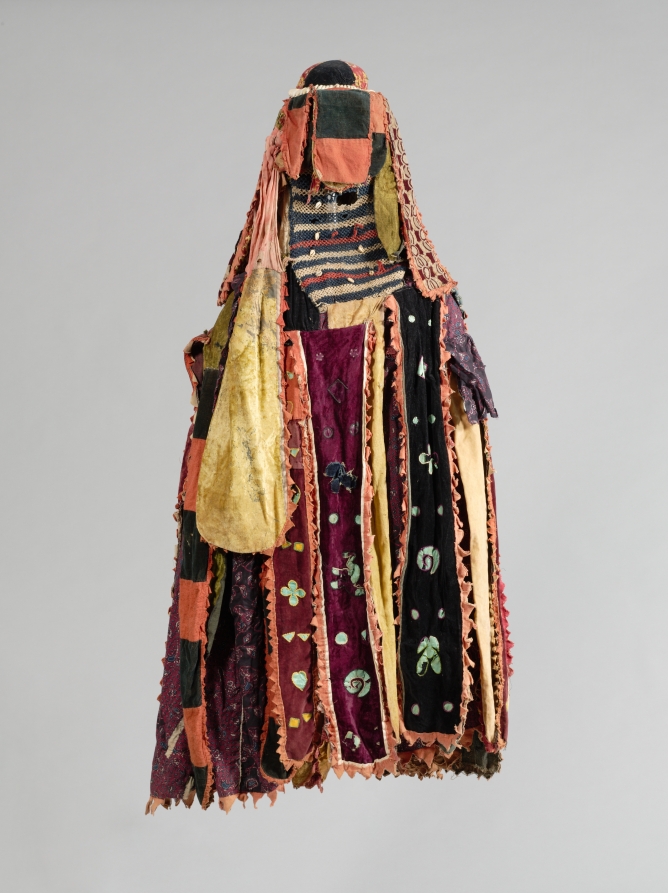
Egúngún Masquerade Dance CostumeGift of Katherine C. WhiteThe Cleveland Museum of Art · CC0
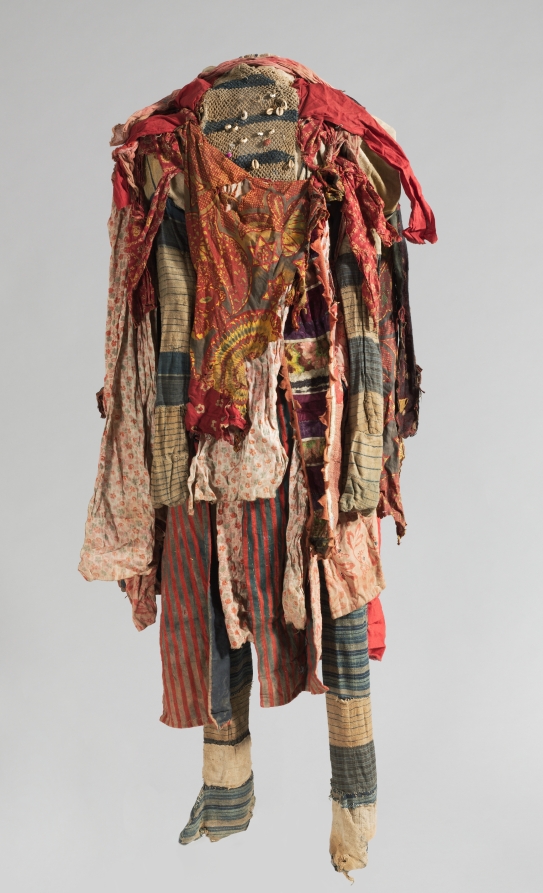
Egúngún Masquerade Dance CostumeGift of Katherine C. WhiteThe Cleveland Museum of Art · CC0
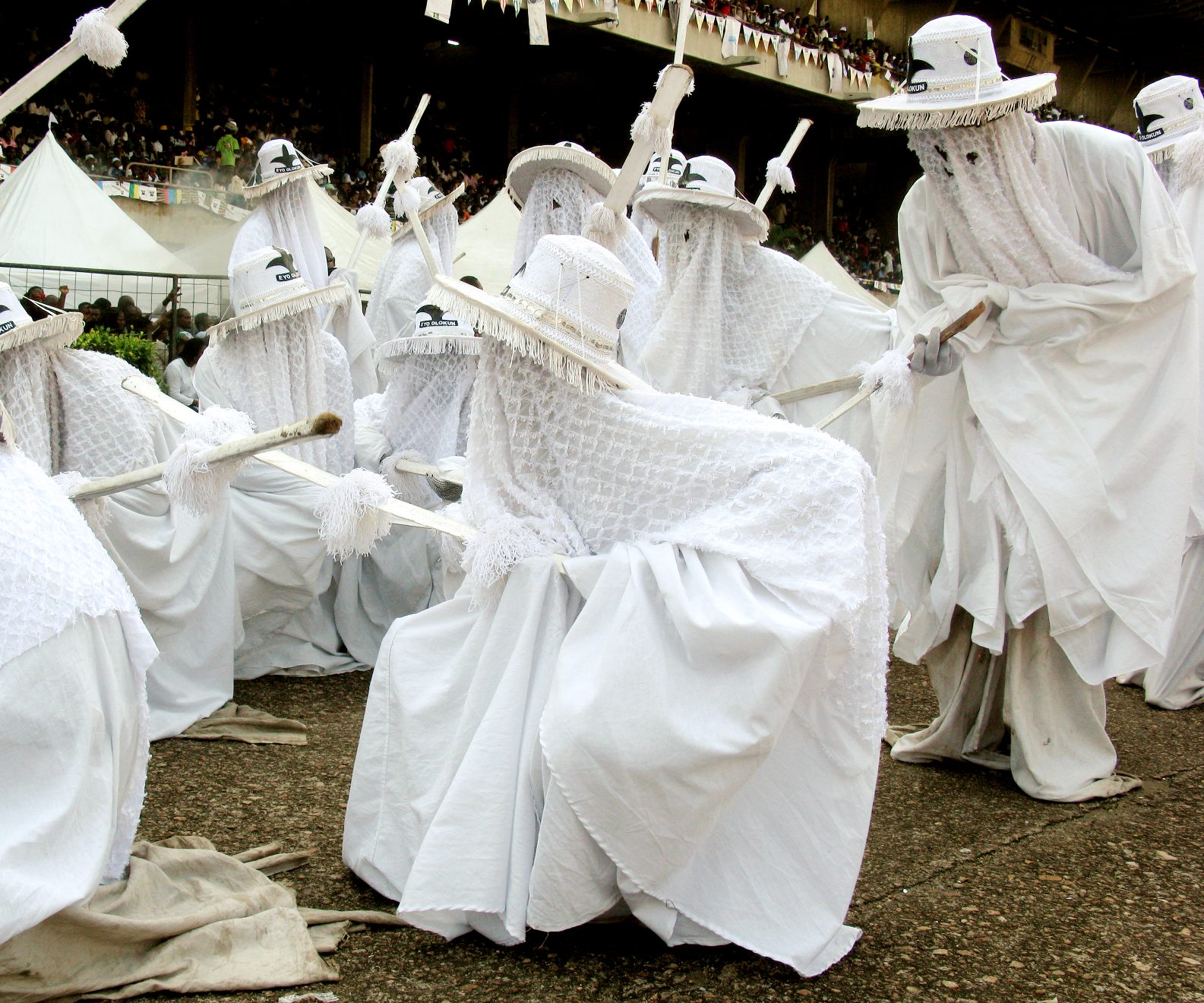
Eyo Olokun.jpgSlashme, CC BY-SA 3.0, via Wikimedia CommonsWikimedia Commons · CC BY-SA 3.0
Inside popular talk, tourist books, and early colonial ethnography, people dey often lump Yorùbá masked and acoustic institutions together into one general category wey dem dey call ancestral masquerade. This kind general name dey hide deep differences for cosmology, visual morphology, political jurisdiction, and gender dynamics across Yorùbáland. Egúngún na physical embodiment of patrilineal lineage ancestors, Gẹ̀lẹ̀dẹ́ na artistic way to appease female mystical power, Orò na acoustic judicial institution wey forbid people to see am with eye, Àgẹ̀mọ na Òrìṣà covenant of Ìjẹ̀bú statehood, and Èyọ̀ na municipal burial rite wey dey unique to Lagos Island. To mix all these institutions together dey treat distinct theological structures like say na just ordinary decoration variations of one single mask.
The Root of the Conflation: The Generic Mask
The habit to treat all Yorùbá ritual embodiments like say dem be the same thing come from nineteenth-century European travelogues and missionary accounts wey group any performance wey wear costume, mask, or wey hide sound as fetish play or ancestral devil dancing . When colonial observers see masked figures, dem focus on the physical costume but ignore the distinct ontological category wey each institution get inside its own kingdom.
Inside traditional taxonomy, these forms no belong to one generic class. Some dey represent dead people wey return to commune with living descendants; others dey embody primordial deities (òrìṣà); others na non-visual instruments for state execution and constitutional law; and others na municipal civic pageants wey dem organize around king succession [S1, S4, S6, S10]. To make these boundaries clear, person need to examine the distinct theology, visual medium, gender mandate, and geographical origin of each tradition.
Egúngún: The Patrilineal Ancestral Embodiment
Egúngún (wey connect through etymology to the concept of bones, skeleton, or ancestral relics, rendered in nominal form as the manifestation of physical lineage continuity) refer specifically to the embodied presence of lineage ancestors, wey dem dey call Ara Ọ̀run (Citizens of Heaven) [S3, S9]. As e start mainly among the Ọ̀yọ́ and spread across central and eastern Yorùbáland, Egúngún fundamentally dey patrilineal. E dey allow ancestors wey don die make dem return temporarily to earth to bless, discipline, and counsel their living descendants .
┌─────────────────────────────────────────────────────────────┐
│                      EGÚNGÚN MANIFESTATION                  │
│                                                             │
│  Ọ̀run (Heavenly Domain)                                     │
│       │                                                     │
│       ▼ (Invoked via lineage praise-poetry & atọ́kùn)        │
│  Ẹkú (Multi-layered textile lappet garment)                 │
│       │                                                     │
│       ▼ (Transforms human medium into Ara Ọ̀run)             │
│  Ayé (Public town spectacle: blessings, satire, judgment)    │
└─────────────────────────────────────────────────────────────┘
The visual morphology of Egúngún dey center on cloth. The costume, wey dem dey call ẹkú, get many layers of textile lappets (aṣọ) wey dem gather over decades, wey join fine velvet, damask, silk, and ancestral fabrics together . When the masker dey spin, these lappets go fly open, wey come dey create visual display of accumulated family wealth and lineage vitality. Some varieties dey get carved wooden headdress, animal skull, or leather talisman, but cloth still remain the core metaphysical medium wey dem dey use make the spirit dey present [S3, S9].
Women dey play very important role inside the Egúngún institution, as dem dey serve as the primary praise singers (oníṣàndálú), custodians of lineage genealogies (oríkì), and titled priestesses like the Ìyá Àgan and Ìyá Mọ̀dàkẹ́kẹ́ [S1, S9]. Even though women no dey physically wear the ẹkú inside the sacred grove, na dem dey direct the invocations wey dey bring the ancestral spirits come open for public visibility.
Gẹ̀lẹ̀dẹ́: Placating Female Mystic Potency
Gẹ̀lẹ̀dẹ́ no be ancestral Egúngún, and e no dey represent deceased lineage relatives [S1, S2]. As e start among the southwestern Yorùbá subgroups, specifically the Kétu, Ègbádò (Yewa), and Ànàgó, Gẹ̀lẹ̀dẹ́ na performance system wey dem dedicate to honor, appease, and harmonize the mystical and social powers wey dey inside women, female elders, and female ancestors, wey dem collectively dey call Àwọn Ìyá Wa (Our Mothers) or Ìyá Nlá (The Great Mother) [S1, S2].
Inside Yorùbá cosmology, female elders get àṣẹ (spiritual authority) wey fit sustain human fertility, ensure rain, and make society hold together, but wey fit also bring calamity, barrenness, and sickness if dem neglect am . Gẹ̀lẹ̀dẹ́ dey use artistic beauty, intricate choreography, and social satire to appease this female power.
┌─────────────────────────────────────────────────────────────┐
│                      GẸ̀LẸ̀DẸ́ ICONOGRAPHY                     │
│                                                             │
│  Superstructure: Realistic human face with superstructure   │
│                 carvings depicting daily life & satire      │
│  Costume:        Gèlè (female headwrap), Ọ̀já (sash cloth),   │
│                 maternal breast wraps, metal ankle bells    │
│  Movement:       Agile footwork, iron rattles, flywhisks    │
│  Objective:      Aesthetic appeasement of Àwọn Ìyá Wa       │
└─────────────────────────────────────────────────────────────┘
The contrast for regalia between Egúngún and Gẹ̀lẹ̀dẹ́ clear completely:
Headdresses: Mask of Gẹ̀lẹ̀dẹ́ get realistic, calm human face wey get big wooden design on top wey dey show everyday life: market women, motorbike, colonial officer dem, hairdressers, and animals [S1, S2]. Egúngún mask dem dey carry signs of ancestral power, deep cloth hood, or face wey look like monster wey dem make to bring fear and respect [S3, S9].
Costuming: Dancers of Gẹ̀lẹ̀dẹ́, wey be men wey dey perform on behalf of female elders, dey tie women head-tie (gèlè), sash cloth (ọ̀já), breast wrap, and iron leg rattle (iku). Dem dey hold horsetail flywhisk (ìrùkẹ̀) instead of heavy wooden whip or blade wey aggressive Egúngún types dey carry [S1, S2].
Choreography: Gẹ̀lẹ̀dẹ́ dance dey emphasize fast body movement wey follow rhythm, as e dey match deep drum pattern with small-small movement of leg and shoulder, wey different from the heavy ground stomping and aggressive charge common to military Egúngún .
Orò: The Voice Wey Person No Dey See and Customary Law
Orò no be masquerade wey person dey see with eye. To call Orò masquerade na to misunderstand the whole ritual design, wey depend solely on sound wey people dey hear and total hiding from eye [S1, S4, S5].
As e get close link with the Ògbóni (or Òṣùgbó) earth-reverencing society among the Ẹ̀gbá, Ìjẹ̀bú, and Ọ̀yọ́, Orò represent the sacred voice of all the ancestors and e dey serve as the executive arm for customary law and constitutional policing [S4, S5]. When Orò enter town (event wey dem dey call ìṣémọ́), women, men wey never enter cult, and strangers must stay inside house behind closed window and put off light [S4, S5].
┌─────────────────────────────────────────────────────────────┐
│                   THE PROVERB OF THREE REALMS               │
│                                                             │
│  Awo Egúngún lobìnrin le ṣe,                                │
│  Awo Gẹ̀lẹ̀dẹ́ lobìnrin le mọ̀;                                │
│  Bóbìnrin bá fojú kan Orò,                                  │
│  Orò á gbé e lọ.                                            │
└─────────────────────────────────────────────────────────────┘
Textual Analysis of the Jurisdictional Proverb
1. Original Text
Awo Egúngún lobìnrin le ṣe,
Awo Gẹ̀lẹ̀dẹ́ lobìnrin le mọ̀;
Bóbìnrin bá fojú kan Orò,
Orò á gbé e lọ. [S1, S4]
2. Literal Gloss
Awo (secret/cult of) Egúngún (ancestor masquerade) ni (na wetin) obìnrin (woman) le (fit) ṣe (perform/participate inside),
Awo (secret/cult of) Gẹ̀lẹ̀dẹ́ (mothers spectacle) ni (na wetin) obìnrin (woman) le (fit) mọ̀ (know/understand),
Bí (if) obìnrin (woman) bá (con) fi (use) ojú (eye) kan (touch/look upon) Orò (the acoustic entity),
Orò (Orò) á (go) gbé e (carry am) lọ (go).
3. Idiomatic English
"A woman may take part in the mysteries of Egúngún; a woman may master the mysteries of Gẹ̀lẹ̀dẹ́; but if a woman sets her eyes upon Orò, Orò will carry her away." (Translation recorded by Babatunde Lawal and Peter Morton-Williams ).
4. What It Means
The proverb dey show the boundary of ritual knowledge and how person fit participate across Yorùbá institutions. E clarify say while Egúngún dey allow female vocal leadership and Gẹ̀lẹ̀dẹ́ dey directly dedicated to women spiritual power, Orò get strict rule wey forbid women from seeing am with eye at all.
5. Social Work and Enforcement
Dem dey recite dis proverb to enforce curfew, warn against entering ritual space without permission, and remind community members of the judicial authority wey dey inside Ògbóni/Òṣùgbó society . Dem dey invoke am during Orò festivals to make sure say people obey without physical fight.
6. Illustrative Scenario
During the yearly purification rites of an Ẹ̀gbá or Ìjẹ̀bú town, person wey never enter cult waka near market square after night don fall. One elder use dis proverb take make the person go back house immediately, as e dey warn say the punishment of Orò no get negotiation.
7. Importance and Value
The verse dey preserve the difference between visual and non-visual ancestral space. E dey protect the legal and constitutional role of Ògbóni society as e dey emphasize say the authority of Orò dey outside public entertainment or visual arts .
8. Tonality and Morphology
The rhyme scheme dey depend on the parallel verbs ṣe (to do/perform), mọ̀ (to know/comprehend), and the ending phrase gbé e lọ (to carry away/abduct). The tone difference between the mid-tone ṣe and low-tone mọ̀ dey emphasize deeper meaning, while the last clause change to serious warning tone.
9. Notes on Translation
Colonial writers translate gbé e lọ as threat of physical killing or supernatural destruction . Anthropological analysis clarify say the phrase dey mean formal expulsion, serious spiritual sickness, or death sentence under historical customary law .
┌─────────────────────────────────────────────────────────────┐
│                      THE ACOUSTIC ENGINE                    │
│                                                             │
│  Bullroarer (Flat slat of wood/bamboo whirled on cord)      │
│       │                                                     │
│       ▼                                                     │
│  Produces roaring, whirring frequency                       │
│       │                                                     │
│       ▼                                                     │
│  Operates as the auditory presence of ancestral law         │
│  (No visual textile or wooden body exists)                  │
└─────────────────────────────────────────────────────────────┘
Di main instrument of Orò na di bullroarer, one flat and thin blade of wood or bamboo wey dem tie to long rope and swing am fast-fast for air [S4, S5]. Di hum sound wey dey come out, from sharp high scream reach deep rumble, na im be di acoustic body of di deity. Orò dey cleanse communities from epidemics, dey enforce death sentences wey di king and council decree, and dey make state mourning official wen sovereign ruler die .
Àgẹ̀mọ: Di Covenant of Ìjẹ̀bú Kingship
Àgẹ̀mọ no be Egúngún masquerade of di Ìjẹ̀bú people; na Òrìṣà cult wey dey central to di religious and political unification of di Ìjẹ̀bú kingdom [S6, S7]. As Egúngún dey decentralized and based on family lineage, Àgẹ̀mọ na centralized state covenant.
┌─────────────────────────────────────────────────────────────┐
│                    ÀGẸ̀MỌ EMBODIMENT                         │
│                                                             │
│  Headpiece:      Ram horns, feathers, cowrie clusters       │
│  Structure:      Ení Ọ̀rẹ́ (Cylindrical woven grass mats)    │
│  Internal Actor: Titled priest (e.g., Tàmì Ònìrè)           │
│  State Function: Unites 16 priest-rulers with the Awùjalẹ̀   │
│                 at Ìmòṣàn and Ìjẹ̀bú-Òdè                    │
└─────────────────────────────────────────────────────────────┘
Di morphology of Àgẹ̀mọ masquerade dey sharply different from di flowing cloth lappets of Egúngún:
Woven Mat Enclosure: Di Àgẹ̀mọ spirit dey enclosed inside tall, round cylinder structures wey dem weave well with grass mats (ẹní ọ̀rẹ́) [S6, S7].
Crown Architecture: Di top of di mat cylinder get crown of sacred feathers, clusters of cowries, medicine horns, and ram horns, instead of carved human faces or cloth hoods [S6, S7].
Priestly Movement: Sixteen titled high priests (like di Tàmì of Ònìrè and di Ọ̀rẹ́ of Ìmòṣàn) dey travel every year from dia rural areas to gather for Ìmòṣàn and dance before di Awùjalẹ̀ (di paramount king of Ìjẹ̀búland) for Ìjẹ̀bú-Òdè [S6, S7].
Di Àgẹ̀mọ festival dey serve as annual ritual renewal of political loyalty between di provincial rulers and di central monarchy. E dey also secure agricultural fertility and protection for di whole kingdom [S6, S7]. As dem dey carry di Àgẹ̀mọ mats travel, dem dey enforce strict visual taboos along di roads, to make sure say women and uninitiated men remain indoors while di sacred priests dey journey go di capital [S6, S7].
Èyọ̀ (Àdàmú Òrìṣà): Civic Memory and State Funerary Regalia
Èyọ̀ (wey people popularly dey call Adamu Orisha Play) na special tradition for Lagos Island (Ìsàlẹ̀ Èkó). E no be annual lineage Egúngún festival, and e no be roaming town masquerade [S8, S10]. Historically, na only two reasons dem dey stage Èyọ̀ for:
To celebrate di final funerary obsequies of one deceased Ọba (King) of Lagos or one high chief of di realm.
To commemorate major civic milestones or di coronation of new sovereign ruler [S8, S10].
┌─────────────────────────────────────────────────────────────┐
│                      ÈYỌ̀ REGALIA SYSTEM                     │
│                                                             │
│  Àkẹ̀tẹ̀:     Wide-brimmed felt hat with Conclave emblems    │
│  Arọ́pálẹ̀:   Flowing white textile dragging on the ground   │
│  Igbàgbá:    White face-veil covering all facial features   │
│  Ọ̀pámbàtà:   Carved palm-frond staff used for blessings     │
└─────────────────────────────────────────────────────────────┘
Di visual uniformity of Èyọ̀ dey directly different from di multi-colored variety of standard Egúngún [S9, S10]:
All-White Cloth: Every Èyọ̀ masquerader dey wear clean pure white robes (arọ́pálẹ̀) wey flow pass feet dey drag for ground, joined with all-white face-veil (igbàgbá) wey dey cover di human identity of di bearer totally .
Di Ọ̀pámbàtà Staff: Each performer dey carry carved staff wey dem make from branch of coconut or oil palm frond (ọ̀pámbàtà), wey get lineage and conclave pyrography marks . Dem dey use di staff touch spectators gently to give blessings or sanction infractions.
Di Five Leading Conclaves (Àwọn Òrìṣà Mẹ́fà / Gá): Di festival get hierarchical structure under five sacred conclaves:
Àdàmú Òrìṣà: Di senior divine conclave, wey people fit recognize by di black and white hat motifs .
Ọkọ́nlàbà: Di administrative and executive vanguard wey dey hold di symbolic staff of authority .
Oníkò: Associated with di deity of health and medicine, wey dem dey distinguish with yellow hats .
Olóogẹdẹ: Associated with vitality and green hats .
Àngẹ́rẹ́: Di stilt-walking masquerader wey dey honor Ṣàngó or herbal mobility, wey dey wear purple or distinct hats .
Èyọ̀ dey represent di collective municipal memory of Lagos Island, dey sanctify di passing of rulers and dey reinforce di social hierarchy between royal ruling houses, royal chiefs (Akarigbere, Idejo, Ogalade, Abagbon), and di municipal population [S8, S10].
Comparative Matrix: Core Attributes
Tradition
Domain & Subgroup
Main Spiritual Being
Physical / Visual Medium
Gender Protocol
Main Function
Egúngún
Central / Eastern Yorùbá (Ọ̀yọ́, Ìbàdàn, Ìgbómìnà)
Father-side lineage ancestor dem (Ara Ọ̀run)
Multi-layered cloth lappet dem (ẹkú), wood mask dem, animal horn dem [S3, S9]
Public dey see am; women dey lead invocation; na men dey wear am [S1, S9]
Lineage continuity, ancestral blessings, moral policing
Gẹ̀lẹ̀dẹ́
Southwestern Yorùbá (Kétu, Ègbádò, Ànàgó)
Mystic female power (Àwọn Ìyá Wa, Ìyá Nlá)
Carved head superstructure dem, gèlè, sash dem, leg rattle dem [S1, S2]
Public spectacle to honor women; women dey direct am, men dey dance am [S1, S2]
To appease mystical mother dem, fertility, community harmony
Orò
Ẹ̀gbá, Ìjẹ̀bú, Ọ̀yọ́
Collective ancestral voice & Ògbóni authority
Sound only: whirring bullroarer; e totally invisible [S4, S5]
Strict curfew (ìṣémọ́); total ban make woman no see am [S4, S5]
Judicial execution, civic purification, political enforcement
Àgẹ̀mọ
Ìjẹ̀bú
Central deity for pantheon (Òrìṣà Àgẹ̀mọ)
Tall woven grass mat dem (ẹní ọ̀rẹ́), feather and horn crest dem [S6, S7]
Dem dey hide am make people no see am when e dey pass road; central national festival [S6, S7]
Ìjẹ̀bú political unity, royal renewal of di Awùjalẹ̀ [S6, S7]
Èyọ̀
Lagos Island (Ìsàlẹ̀ Èkó)
Royal and noble spirit dem (Àdàmú Òrìṣà)
Flowing white robe dem (arọ́pálẹ̀), veil dem, akẹ̀tẹ̀ hat dem, ọ̀pámbàtà staff dem
Public municipal pageant; na men dey perform under palace conclave dem [S8, S10]
State funerary rite dem for king dem wey don die; civic memory [S8, S10]