Ẹsẹ Ifá, the Divination Poetry of the Ifá Literary System
The monumental oral poetic corpus of Yoruba divination, structured into 256 Odù and thousands of Ẹsẹ that preserve cosmology, history, philosophy, and moral instruction.
intermediatehigh·
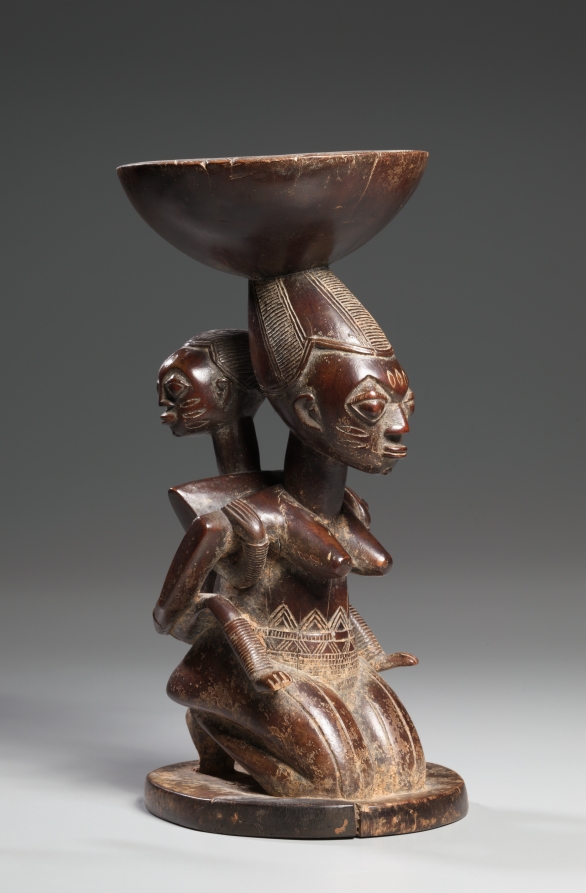
The monumental oral poetic corpus of Yoruba divination, structured into 256 Odù and thousands of Ẹsẹ that preserve cosmology, history, philosophy, and moral instruction.
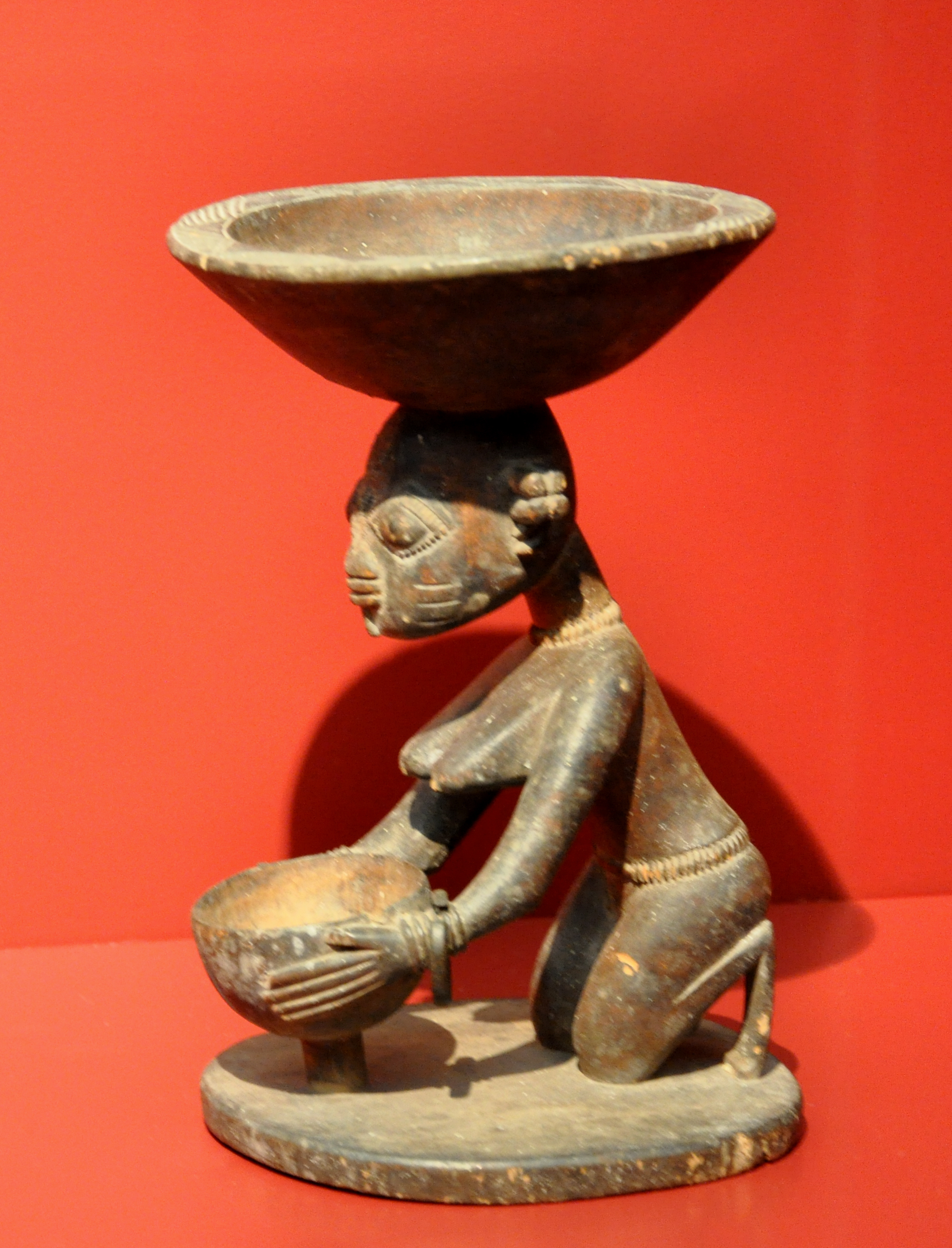
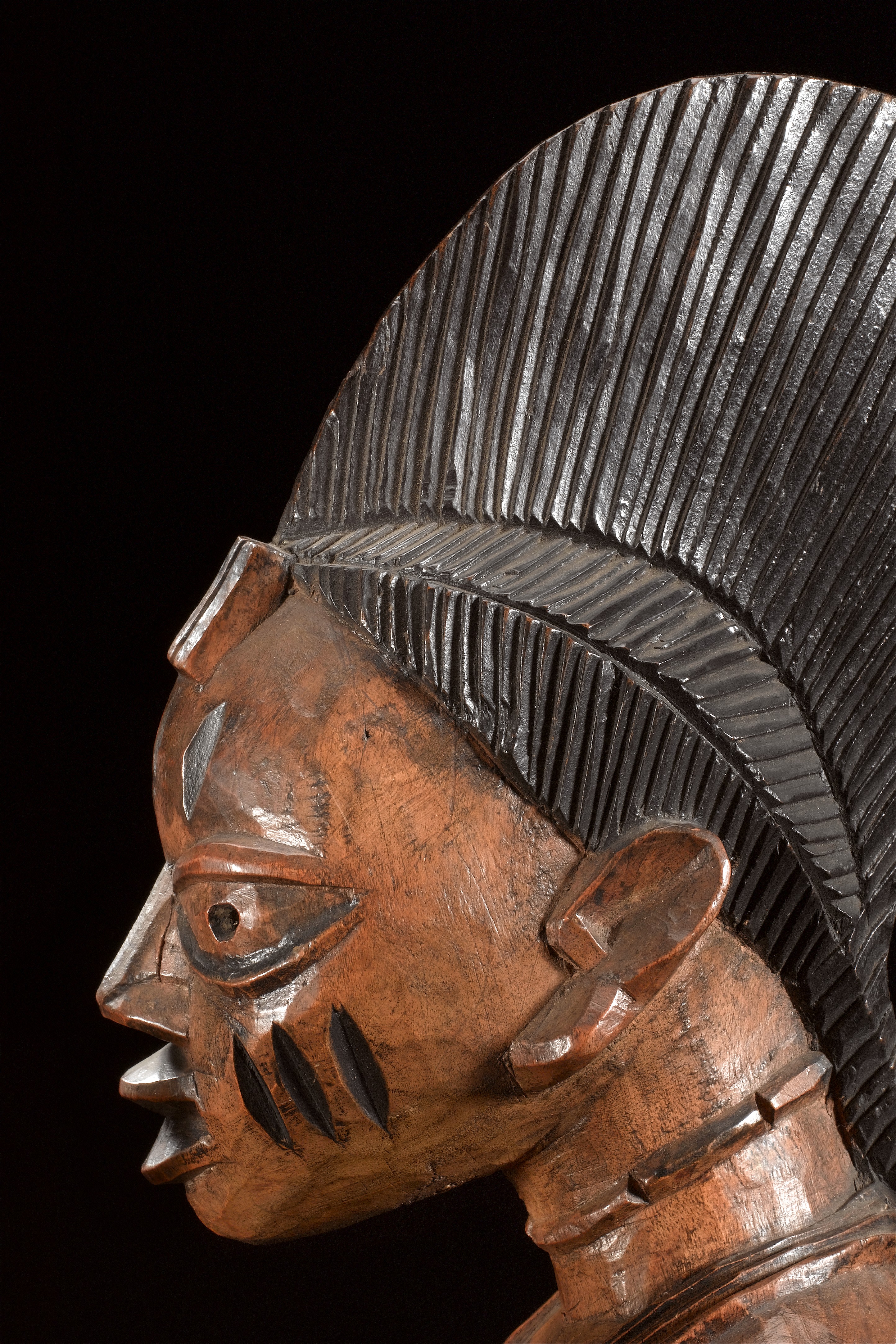
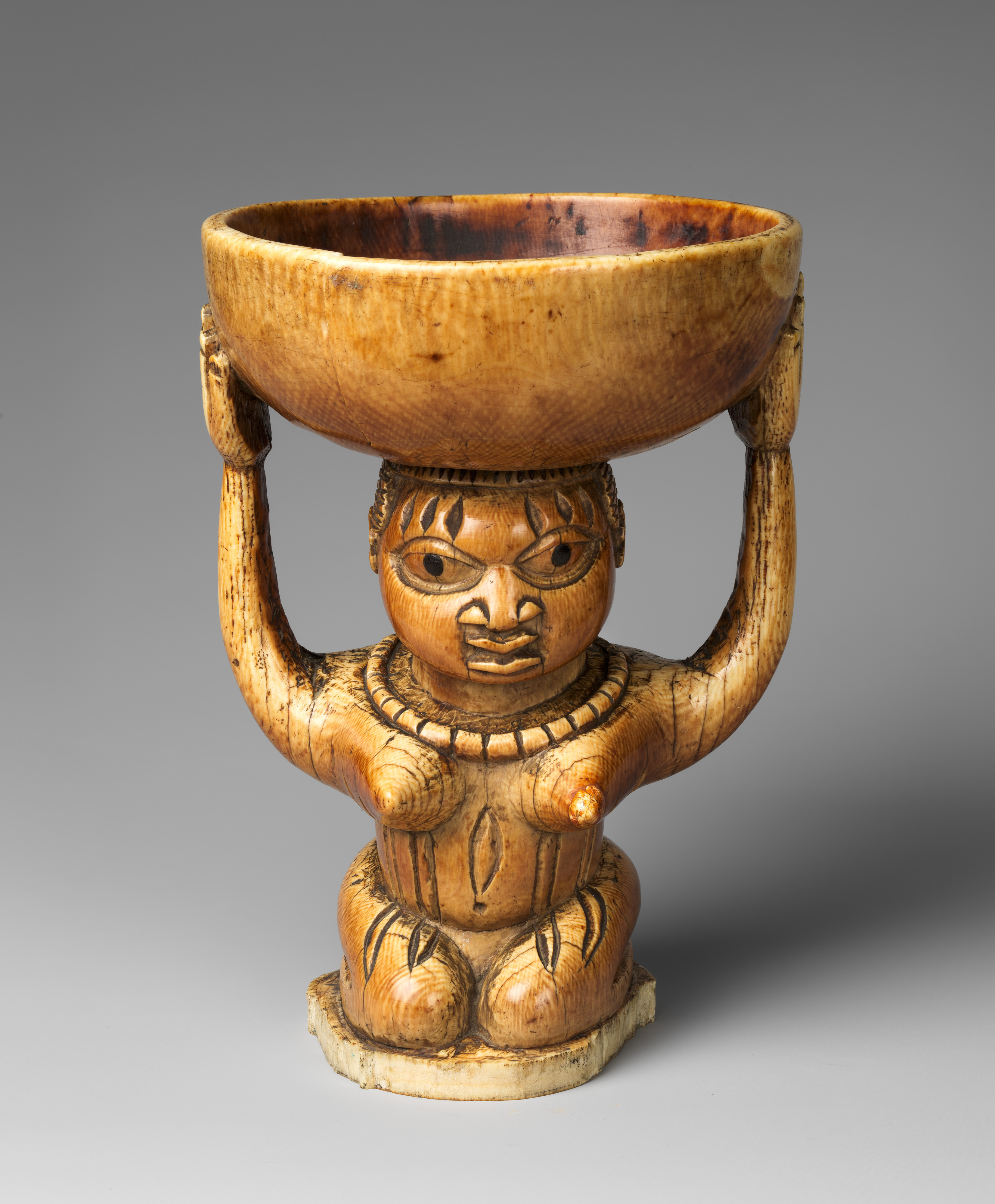
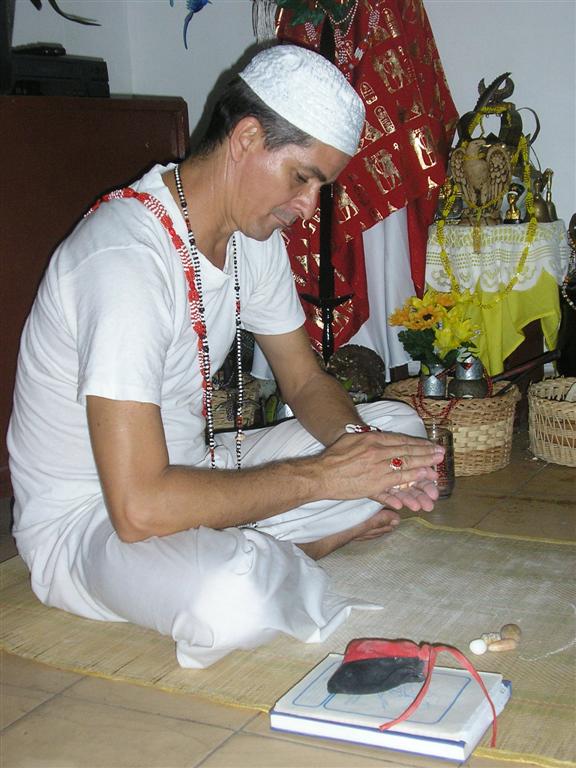
Ẹsẹ Ifá (literally: "footprints of Ifá" or "stanzas of Ifá", from ẹsẹ̀, foot/stanza, and Ifá, the divination deity and system) constitutes the vast oral poetic and philosophical library of the Yorùbá people . It is organized under 256 structural chapters known as Odù (sixteen principal Ojú Odù and 240 derivative Àmúlù Odù), within which thousands of metric and semi-metric poems are preserved by trained diviners called babaláwo (literally: "father of mysteries", from baba, father, ní, of, and awo, secret or mystery) . Each ẹsẹ serves simultaneously as a divinatory precedent, a historical record, an ethical treatise, and a performative chant recited or sung to guide human action in the physical world (ayé) according to the metaphysical order of heaven (ọ̀run) .
The word ẹsẹ in ordinary Yorùbá denotes a foot, a leg, or a footprint, but within the specialized vocabulary of Ifá oral literature, it signifies an individual poem, stanza, or case narrative . The metaphor operates on the concept that each poem is an indelible footprint left behind by ancestral predecessors, historical figures, deities, plants, or animals who faced a crisis, sought divination, performed or refused sacrifice (ẹbọ), and thereby established an immutable precedent for the living .
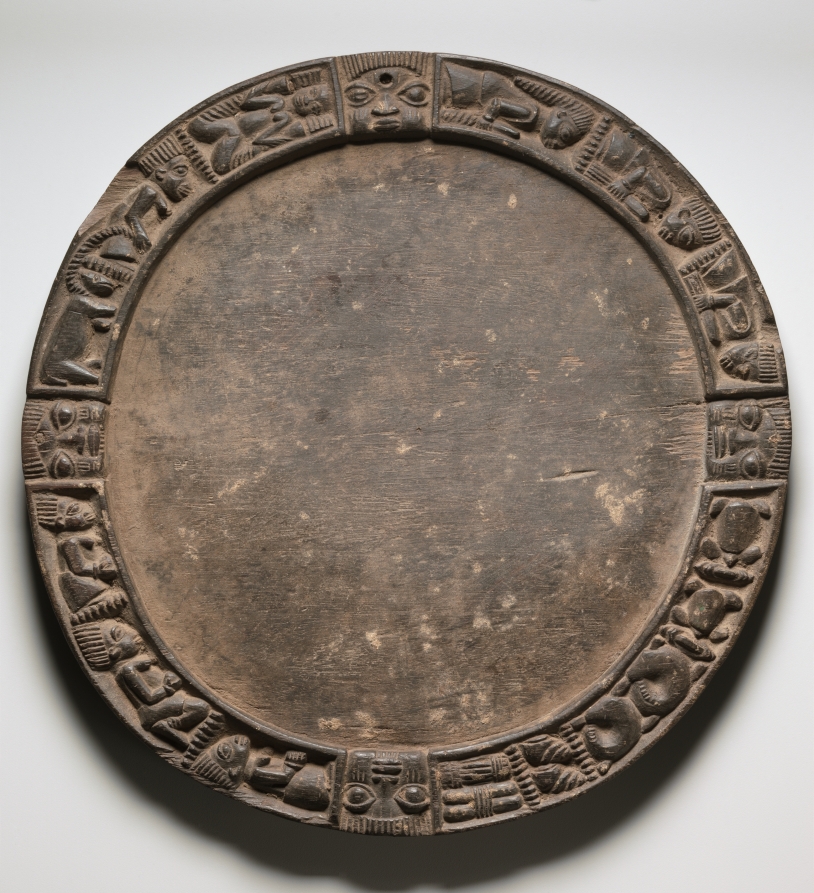
The architecture of the Ifá corpus rests upon a binary mathematical matrix generated through geomantic manipulation of either sixteen sacred palm nuts (ìkín) or a joined divining chain (ọ̀pẹ̀lẹ̀) with eight half-nuts or pods . The manipulation generates sixteen primary signatures (Ojú Odù), each represented on the divination tray (ọpọ́n Ifá) dusted with sacred wood dust (ìyẹrosùn) as a column of four paired binary marks:
When each of these sixteen principal Odù is paired with itself and the remaining fifteen, the system produces the full canon of $16 \times 16 = 256$ Odù . The remaining 240 combinations are designated Àmúlù Odù (mixed signs) or Ọmọ Odù (children of Odù) .
The depth of the literary repository is immense. While the baseline requirement for an initiated diviner is to have mastered at least four to eight discrete ẹsẹ for every one of the 256 Odù (a working minimum of approximately 1,024 to 2,048 lengthy poetic stanzas), renowned master diviners possess repertoires exceeding several hundred ẹsẹ per Odù . Wande Abimbola and William Bascom estimate that the entire unwritten corpus contains well over 20,000 distinct poetic texts, constituting an encyclopedic record of Yorùbá thought .
The foundational literary analysis of Ẹsẹ Ifá was formulated by Wande Abimbola, who demonstrated that a fully realized, canonical ẹsẹ Ifá consists of an eight-part structural sequence . While some compressed stanzas omit one or more optional sections, the eight-part progression represents the theoretical and aesthetic norm against which all Ifá oral compositions are measured .
The eight canonical parts proceed in strict narrative order:
Part I   : Name(s) of the diviner(s) (Àwọn Awo)
Part II  : Name(s) of the client(s) (Ẹni tí wọ́n dífá fún)
Part III : Reason/Occasion for the consultation (Ìdí tí wọ́n fi dífá)
Part IV  : The diviner's instruction/Prescription of sacrifice (Ẹbọ rírú)
Part V   : The client's compliance or refusal (Ẹbọ rírú tàbí àìrú)
Part VI  : The consequence and historical outcome (Èsì / Ìṣẹ̀lẹ̀)
Part VII : The client's emotional reaction and song (Ayọ̀, Ẹkún, tàbí Orin)
Part VIII: The moral or theological coda (Ìkìlọ̀ tàbí Ẹ̀kọ́)
A dífá fún... ("Divined for...") or Ló dífá fún... ("It was he who cast Ifá for...") .Ó gbẹ́bọ, ó rúbọ, "He heard about the sacrifice and performed it") or arrogantly refused (Ó gbẹ́bọ, kò rú, "He heard about the sacrifice and failed to perform it") .Ó ní bẹ́ẹ̀ gẹ́lẹ́ ni àwọn awo tòún wí... ("He declared that it was exactly as his diviners had spoken...") . This section frequently involves a structural repetition where the performer restates Parts I through IV in a dynamic, rhythmic melody .Scholars have debated the universality and rigid application of this eight-part taxonomy. William Bascom, writing prior to Abimbola's detailed structuralist publications, identified a simpler three-part paradigm: (1) mythological precedent and diviners' names, (2) the action taken and its historical result, and (3) the application and chanted song . Bascom categorized the material primarily as functional ethnography rather than formalist poetry .
Olatunde O. Olatunji argued that while Abimbola's eight-part structure accurately captures the narrative arc of complete, long-form historical stanzas (ìtàn Ifá), many everyday consultations employ truncated structural variants comprising only Parts I to IV, or Parts I to III directly followed by practical herbal recipes or prescriptive incantations (ọfọ̀) . Olatunji demonstrated that the core, non-negotiable nucleus of any ẹsẹ Ifá consists of the diviners' names (Part I) and the client formula (Part II); all subsequent sections may expand or contract depending on the performer's memory, vocal mode, and ceremonial urgency .
This stanza exemplifies the full eight-part canonical architecture, drawing upon the metaphorical opening of separate entities eating distinct foods in harmony .
Òtọ́ọ̀tọ̀, Òròọ̀rọ̀,
Òtọ̀ọ̀tọ̀ là á jẹpà,
Òtọ̀ọ̀tọ̀ là á jẹ́mumu,
Lọ́tọ̀lọ́tọ̀ là á folú esunsun sẹ́nu.
Ohun n torí-n-torí,
Ohun n torè-n-torè,
Ohun n torí-n-torè là á fún Ọba Mákìn lódè Ìrànjẹ́,
Kó lè baà fohun torí torè tani lórẹ.
A dífá fún Ọ̀rúnmìlà,
Ifá ń lọ rèé fẹ́ Ìwà tí í ṣe ọmọ Sùúrù.
Ẹbọ ni wọ́n ní kó ṣe.
Ó gbẹ́bọ, ó rúbọ.
Ìwà dé lónìí o, Ìwà,
Ọmọ Sùúrù.
Ire gbogbo dé lónìí o, Ìwà,
Ọmọ Sùúrù.
Distinctly, separately:
Separately do we eat groundnuts;
Separately do we eat earth-nuts;
One by one do we put edible winged ants into our mouths.
Things belonging to ancestral titles,
Things belonging to royal bounty:
Things of titled nobility and bounty are what we present to King Mákìn in the town of Ìrànjẹ́,
So that he may in turn bless us with royal gifts.
Cast Ifá divination for Ọ̀rúnmìlà,
When Ifá was going to marry Character (Ìwà), the daughter of Patience (Sùúrù).
He was advised to make a sacrifice.
He complied and performed the sacrifice.
Now Character has arrived, yes, Character,
The child of Patience.
All good fortunes have arrived today, through Character,
The daughter of Patience.
(Translation: Wande Abimbola, adapted with literal tonal precision)
The poem asserts that good fortune (ire) cannot be retained in isolation from character (ìwà), and that character can only be acquired and sustained through patience (sùúrù) . The initial gastronomic metaphors argue that just as different crops and foods must be eaten according to their proper nature and sequence rather than lumped together, virtues and social relationships must be treated with deliberate differentiation and respect .
In divination practice, this verse is chanted when a client is aggressively pursuing wealth, title, or marriage but displaying erratic temper, arrogance, or impatience . It functions as a firm ethical correction, warning that all blessings gained without ìwà-pẹ̀lẹ́ (gentle character) will collapse .
A merchant visits a babaláwo because an overseas business venture is stalling. The divination cast yields Èjì Ogbè. The diviner recites this stanza, revealing that the merchant's aggressive dealings with partners and mistreatment of employees are driving away good fortune. The hearer understands that no ritual remedy will work unless they change their business etiquette, exercise patience, and treat subordinates with honour .
This stanza is foundational to Yorùbá moral philosophy. As Rowland Abiodun and Barry Hallen have observed, ìwà (character/existence) is the aesthetic and moral anchor of human destiny; without ìwà, one's physical beauty and material prosperity are regarded as empty shells .
In the Ọ̀yọ́ dialectical recitation recorded by Abimbola, the opening line uses Òtọ́ọ̀tọ̀, Òròọ̀rọ̀ . In southern variants collected by Bascom in Ifẹ̀, the line is recited Òtọ̀ọ̀tọ̀ ni tàràkà, ọ̀tọ̀ọ̀tọ̀ là á jẹpà, inserting a direct reference to the castor oil bean (àràkà) .
The opening four lines deploy rhythmic tonal parallelism:
The personification of Ìwà (Character) and Sùúrù (Patience) as living individuals (a woman and her parent) is lost in standard English prose unless capitalized. The wordplay between ori (head/destiny) and ore (bounty/gift) in lines 5 to 8 hinges on vowel quality and tone (torí versus torè), which English handles clumsily through descriptive adjectives .
Orí tí ó dádé,
Nínú àgbòrò-idẹ ní ti í yọ wá;
Ọrùn tí ó lẹ́jìgbà-ilẹ̀kẹ̀,
Nínú àgbòrò-idẹ ní ti í yọ wá;
Ìbàdí tí ó wọ̀gbàùnràn,
Nínú àgbòrò-idẹ ní ti í yọ wá.
A dífá fún Olóyèkú
Tí ń fomi ojú ṣògbérè ọmọ.
Ẹbọ ni wọ́n ní kó ṣe.
Ó gbẹ́bọ, ó rúbọ.
Rírú ẹbọ ní í gbeni;
Àìrú kì í gbèèyàn.
Kò pẹ́, kò jìnnà,
Ẹ wá bá ni ní wọ̀wọ́ ọmọ.
The head destined to wear a royal crown
Emerges straight from the womb of pure brass;
The neck destined to carry majestic beaded collars
Emerges straight from the womb of pure brass;
The waist destined to wear opulent woven cloths
Emerges straight from the womb of pure brass.
Divination was performed for Olóyèkú,
Who wept bitterly in sorrow over his childlessness.
He was instructed to offer a sacrifice.
He listened and performed the sacrifice.
Offering the prescribed sacrifice brings deliverance;
Refusing sacrifice brings no one prosperity.
Before long, not far from now,
Come and behold us rejoicing in a multitude of children.
(Translation: Wande Abimbola, checked against Bascom's variants)
Destiny (orí) is forged in the spiritual realm and nurtured through maternal sacrality (metaphorized by brass, the sacred metal of the fertility goddess Ọ̀ṣun) . Genuine human fulfillment requires proactive ritual collaboration through sacrifice (ẹbọ), transforming barrenness and mortality (ikú) into vitality and generational continuance .
Recited during consultations concerning pregnancy, fertility treatments, severe illness, or political succession . It consoles the despairing client by assuring them that their innate destiny carries nobility, provided they make the necessary physical and ritual adjustments .
A family struggling with infant mortality or miscarriages approaches a babaláwo. When Òyẹ̀kú Méjì appears, the priest recites this stanza, directing them to propitiate maternal spiritual forces (Ìyámi) and Ọ̀ṣun with brass ornaments and specified offerings. The family recognizes that grief is about to turn into reproductive triumph .
This verse preserves the historical and metaphysical connection between brass metalwork (idẹ), dynastic legitimacy, and maternal biology in Yorùbá kingship rituals .
A version recorded by Bascom in Ọ̀yọ́ replaces àgbòrò-idẹ (brass cradle/vessel) with agbo idẹ (circle of brass) and expands the catalogue of royal accoutrements to include beaded footwear (bàtà ilẹ̀kẹ̀) .
The name Òyẹ̀kú is structurally parsed in Ifá hermeneutics as Ó yẹ̀ ikú ("It turns aside death" or "Death is averted"), creating a direct tonal pun between yẹ̀ (to avert/slip away) and ikú (death) . The rhythmic refrain ní ti í yọ wá (High Mid High High) provides an acoustic pulse that anchors the first three couplets .
Àgbòrò-idẹ carries dense cosmological connotations: it refers simultaneously to the sacred brass urns of Ọ̀ṣun, the amniotic basin, and the metallic smithing traditions of early Yorùbá urban centers . English translations that render it merely as "brass vessel" erase the biological metaphor of embryonic incubation.
Ẹsẹ Ifá exhibits an intricate array of poetic techniques documented by Olatunji, Bamgbose, and Barber . Unlike European metered verse, Yorùbá oral poetry is structured on tonal patterns, structural balance, syntactic parallelism, and dynamic repetition .
┌─────────────────────────────────────────────────────────────┐
│                 POETIC DEVICES IN ẸSẸ IFÁ                   │
├──────────────────────────────┬──────────────────────────────┤
│ Syntactic Parallelism        │ Balanced line pairs with     │
│                              │ identical grammatical frames │
├──────────────────────────────┼──────────────────────────────┤
│ Tonal Counterpoint           │ Intentional pitch contrast   │
│                              │ at line endings (H vs L)     │
├──────────────────────────────┼──────────────────────────────┤
│ Lexical Matching             │ Opposing semantic pairs      │
│                              │ (aye/orun, aiku/iku)         │
├──────────────────────────────┼──────────────────────────────┤
│ Nominalized Nicknames        │ Compact proverbs forged into │
│                              │ multi-word personal names    │
├──────────────────────────────┼──────────────────────────────┤
│ Formulaic Framing            │ Recurring transitional       │
│                              │ lines (A dífá fún...)        │
└──────────────────────────────┴──────────────────────────────┘
Syntactic parallelism occurs when consecutive lines employ identical grammatical frameworks while substituting key lexical items . In Ẹsẹ Ifá, this device is married to tonal counterpoint, an intentional variation in pitch register between balanced verses :
Bí a bá tẹ̀fá, ká túnfá tẹ̀ (If we initiate into Ifá, let us re-initiate)
Bí a bá bọ̀rìṣà, ká túnrìṣà bọ (If we worship an òrìṣà, let us re-worship)
Here, the parallel structure Bí a bá [Verb], ká [Verb] is maintained across both lines, while the vocal delivery shifts tone and rhythm to emphasize continuity .
Bamgbose demonstrated that Ẹsẹ Ifá frequently deploys lexical matching, setting antonyms or complementary concepts in rigid structural balance :
The names of the ancient diviners in Part I are frequently compressed philosophical propositions created through the prefixation of the agentive marker A- or the relative marker Ẹni tí... :
Ẹsẹ Ifá exists across two distinct performance modes: spoken or semi-spoken recitation (kíkà Ifá) and responsive liturgical chanting (ìyẹ̀rẹ̀ Ifá) . While individual consultations typically employ rhythmic speech punctuated by tapped instruments, communal assemblies and festivals require the melodic mode of ìyẹ̀rẹ̀ Ifá .
Lead Babaláwo:  [Chants complete poetic line in sustained, high-pitched vibrato]
Assembly/Awo :  "Héèèèèpà!" or "Héèèè-àwó!" [Antiphonal resonant drone]
Lead Babaláwo:  [Delivers narrative progression of the Ẹsẹ]
Assembly/Awo :  [Joins in unison when Part VII song is unlocked]
Acoustic and musicological investigations demonstrate that ìyẹ̀rẹ̀ Ifá functions as a responsorial chant characterized by specific acoustic properties:
Master chanter Chief Yemi Elebuibon notes that ìyẹ̀rẹ̀ Ifá is the musical voice of Ọ̀rúnmìlà, and that a babaláwo who lacks command of its vocal cadences cannot successfully lead communal rites (ọdún Ifá) .
The consultation of Ẹsẹ Ifá represents an indirect, objective hermeneutic process that deliberately distances the personal ego of the priest from the client's problem .
Client whispers problem to money/cowries in secret
                           │
                           ▼
Diviner casts Ọ̀pẹ̀lẹ̀ or Ìkín on Ọpọ́n Ifá
                           │
                           ▼
Odù signature appears on the tray (e.g., Ọ̀bàrà Méjì)
                           │
                           ▼
Diviner chants multiple Ẹsẹ belonging to that Odù
                           │
                           ▼
Client privately identifies the Ẹsẹ matching their hidden crisis
                           │
                           ▼
Prescribed sacrifice (Ẹbọ) and practical counsel executed
Unlike spirit mediums who deliver prophecies in altered states of trance, the babaláwo operates as an intellectual interpreter of an objective textual corpus . In standard practice, the client does not disclose their question or anxiety aloud to the priest. Instead, the client whispers their inquiry to a coin, cowrie shell, or sacred palm nut, placing it on the divination tray .
The diviner casts the chain (ọ̀pẹ̀lẹ̀) or manipulates the palm nuts (ìkín), marks the resulting Odù in the ìyẹrosùn powder, and begins chanting multiple ẹsẹ from his repertoire within that chapter . It is the client's intellectual task to listen to the mythic narratives, historical parables, and animal fables, identifying the specific poem whose situation mirrors their own private inquiry .
As J.D.Y. Peel and Kwasi Wiredu have noted, this methodology creates an epistemic buffer: the advice is received not as the arbitrary opinion of an individual mortal, but as the accumulated collective wisdom of centuries ratified by ancestral history .
Ẹsẹ Ifá is not merely religious liturgy; it functions as the comprehensive epistemology of traditional Yorùbá intellectual life . Sophie Oluwole and Barry Hallen have demonstrated that the corpus systematically interrogates major philosophical domains :
┌─────────────────────────────────────────────────────────────┐
│             PHILOSOPHICAL AXES OF ẸSẸ IFÁ                   │
├──────────────────────────────┬──────────────────────────────┤
│ Epistemology (Ìmọ̀ vs Ìgbàgbọ́)│ Rigorous distinction between │
│                              │ first-hand proof and hearsay │
├──────────────────────────────┼──────────────────────────────┤
│ Metaphysics of Destiny (Orí) │ Dialectic of predetermined   │
│                              │ potential and personal effort│
├──────────────────────────────┼──────────────────────────────┤
│ Ethics and Virtue (Ìwà-pẹ̀lẹ́) │ Primacy of patience, honesty,│
│                              │ and non-violence in society  │
├──────────────────────────────┼──────────────────────────────┤
│ Cosmological Balance (Ẹbọ)   │ Restorative equilibrium      │
│                              │ between human and spirit realms│
└──────────────────────────────┴──────────────────────────────┘
10th–14th C.   : Institutional consolidation in early urban Ilé-Ifẹ̀ [S6][S16]
17th–18th C.   : Integration into Ọ̀yọ́ imperial administration and expansion to Dahomey/Benin [S6][S17]
19th Century   : Disruption of Yorùbá wars; transatlantic dispersal to Cuba and Brazil [S3][S18]
Late 19th C.   : Christian missionary documentation (Crowther, Johnson) [S19]
20th Century   : Colonial administrative decline; pioneering academic studies (Bascom, Abimbola) [S1][S3]
2005 / Today   : UNESCO proclamation as Intangible Cultural Heritage; digital global diaspora [S2][S20]
Yorùbá oral history universally traces the genesis of Ifá to the ancient city of Ilé-Ifẹ̀, where Ọ̀rúnmìlà walked the earth before ascending to heaven (ọ̀run), leaving his eight children and disciples with the sixteen palm nuts to divine his wisdom .
Archaeological and historical syntheses by Akin Ogundiran date the institutional consolidation of the Ifá system and its specialized paraphernalia (such as carved tappers and divination vessels) to the classical and post-classical urbanization of Ilé-Ifẹ̀ between the 10th and 14th centuries CE .
Scholars debate the relationship between Ifá and the wider complex of sixteen-sign geomantic systems found across Africa and the Middle East, such as Arabic khatt ar-raml (sand divination) and Malagasy sikidy . Louis Brenner and William Bascom suggest that the mathematical framework of sixteen binary signs diffused across trans-Saharan trade routes during the early medieval era, where it was integrated into indigenous West African cosmological and poetic frameworks .
Conversely, Wande Abimbola and Yorùbá theological historians argue that the poetic corpus of Ẹsẹ Ifá is distinctively indigenous, evolving from earlier Yorùbá sixteen-cowrie systems (ẹẹ́rìndínlógún) into its advanced metric and narrative literature .
Under the rise of the Ọ̀yọ́ Empire, Ifá divination became deeply embedded in state governance and imperial administration . The Alaafin of Ọ̀yọ́ consulted state babaláwos on military campaigns, treaties, and dynastic succession .
During the 18th century, as Ọ̀yọ́ established hegemony over the Kingdom of Dahomey, the Ifá system diffused across ethnic borders into Fon and Ewe communities, where it became known as Fá or Afá, preserving the same sixteen root Odù names with local phonological shifts (such as Gbè Méjì becoming Gbé Méji or Bé Mégì) .
The collapse of Old Ọ̀yọ́ (Ọ̀yọ́-Ilé) in the 1830s and the subsequent Yorùbá civil wars devastated centuries-old lineages of master diviners . Thousands of Yorùbá citizens, including initiated babaláwos, were enslaved and transported across the Atlantic .
In Cuba and Brazil, enslaved and free Africans reconstructed the Ifá system under severe oppression . In Cuba, babaláwos such as Ño Carlos Adé Bí and Ño Remigio Herrera (Àdẹ́ṣìnà) re-established Ifá lineages, transcribing Ẹsẹ Ifá into handwritten notebooks known as libretas .
Because the Lucumí and Santería practitioners operated in Spanish-speaking environments, the full tonal Yorùbá poetry gradually shifted into compressed prose narratives (patakis), retaining the mythological core and structural logic while losing the complex Yorùbá metric forms .
The mid-nineteenth century brought intense European missionary contact . Samuel Ajayi Crowther's 1843 and 1852 dictionaries provided the earliest printed linguistic analyses of Yorùbá divination vocabulary, though missionary accounts universally dismissed Ifá as demonic deceit .
Reverend Samuel Johnson's The History of the Yorubas (completed in 1897, published 1921) documented the societal standing of the babaláwo, recording traditions attributing the spread of Ifá to an ancient figure named Sétìlù from Nupe territory who settled in Ifẹ̀ .
Under British colonial indirect rule, babaláwos were marginalized by westernized Christian and Muslim elites, and traditional divination was periodically prosecuted under colonial anti-witchcraft and vagrancy ordinances .
Following Nigerian independence in 1960, Ẹsẹ Ifá underwent a profound intellectual reclamation . The pioneering linguistic and literary work of Wande Abimbola at the University of Ibadan and the University of Ifẹ̀ elevated Ẹsẹ Ifá from colonial ethnographic curiosity to recognized world literature .
In 2005 (inscribed in 2008), UNESCO proclaimed the Ifá Divination System as a Masterpiece of the Oral and Intangible Heritage of Humanity, recognizing its unparalleled literary scale and cultural importance .
Today, Ẹsẹ Ifá is practiced globally . In Nigeria, institutions such as the International Council for Ifá Religion and traditional lineages continue intensive training . Concurrently, a vibrant transnational exchange exists between West African babaláwos and diaspora communities across North America, the Caribbean, and Europe, with digital databases, online consultations, and international conferences disseminating the sacred poetry to a worldwide audience .
The training of a babaláwo is one of the most intellectually rigorous oral education systems in world history . It typically begins in early childhood (around age seven to ten) and spans ten to fifteen years of strict apprenticeship under an experienced master (Olúwo) .
┌─────────────────────────────────────────────────────────────┐
│             APPRENTICESHIP STAGES (ỌMỌ AWO)                 │
├─────────────────────────────────────────────────────────────┤
│ 1. Identification and Paraphernalia                         │
│    • Memorizing names and signs of the 256 Odù              │
│    • Handling Ọ̀pẹ̀lẹ̀ chain, Ìkín nuts, and Ọpọ́n Ifá tray     │
├─────────────────────────────────────────────────────────────┤
│ 2. Textual Memorization (Ẹsẹ Ifá)                           │
│    • Daily oral repetition of minimum 4–8 verses per Odù    │
│    • Internalizing syntactic parallelism and tonal patterns │
├─────────────────────────────────────────────────────────────┤
│ 3. Pharmacology and Ritual Botany                           │
│    • Identifying sacred leaves (Ewé Ifá) and roots          │
│    • Preparing medicinal soaps, draughts, and Ẹbọ offerings │
├─────────────────────────────────────────────────────────────┤
│ 4. Chanting Mastery and Liturgy                             │
│    • Perfecting Ìyẹ̀rẹ̀ Ifá vocalization and antiphon         │
│    • Executing Igbódù initiation mysteries and sacrifices   │
└─────────────────────────────────────────────────────────────┘
The apprentice (ọmọ awo) is prohibited from inventing verses or altering the text . Memorization is tested through rigorous peer examinations at weekly diviners' meetings (itadogun) .
A significant scholarly and institutional discussion surrounds the role of women in the Ifá system . Historically in Yorùbáland, women could be initiated as Ìyánífá (mothers of Ifá) or Àpètẹ̀bí (official wives and assistants of Ifá), with certain royal or gifted women learning the poetry and divining with Ẹẹ́rìndínlógún (sixteen cowries) or Ọ̀pẹ̀lẹ̀ .
While male-dominated lineages in Ọ̀yọ́ and diaspora Santería historically restricted the handling of the sacred ìkín nuts to men, contemporary Yorùbá traditionalists led by Wande Abimbola and Ifá organizations in Osogbo and Ifẹ̀ have reaffirmed the historical legitimacy and authority of fully consecrated female Ìyánífá, who master and chant Ẹsẹ Ifá across the globe .
What oríkì are, the different kinds, who performs them and why, and how they carry history that written records do not.
The hunters' chant associated with Ògún, its vocal manner, the ìjálá artist and how he is judged, the contest setting, and what the chant does as self-portrait and as praise of animals.
The chanted poetry of the Egúngún masquerade, its lengthened-vowel vocal signature, the altered voice that marks it as the speech of the dead, and its descent into the Aláàrìnjò travelling theatre.
How proverbs behave when they are embedded in chanted and sung genres rather than used in conversation, and why a quoted proverb changes what a performance is doing.
How Yoruba oral artists are trained, which genres are open to whom, how gender divides the field, how performers are paid, and the named artists the scholarship documents.
An inquiry into the epistemological architecture of the Odù Ifá corpus, examining binary combinatorial structures, hermeneutic mechanics, sensory versus revelation-based modes of knowing, and the sociology of divinatory authority.