Counting rhymes and number songs
A comprehensive reference guide to Yoruba counting rhymes, number songs, clapping and jumping counting games, and the linguistic structures of spoken numeracy.
intermediatehigh·
A comprehensive reference guide to Yoruba counting rhymes, number songs, clapping and jumping counting games, and the linguistic structures of spoken numeracy.

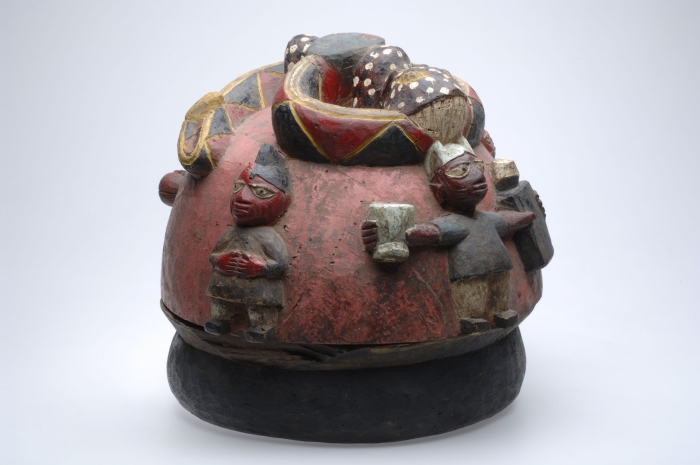
Yorùbá counting rhymes and number songs (orin òǹkà) are oral poetic forms that train young speakers in the phonetic, semantic, and mathematical structures of the language. These verses combine musical rhythm, bodily movement, and verbal mnemonics to teach abstract numerals, adjectival counting forms, and complex vigesimal computations. Through playground elimination chants, clapping duets, jumping contests, and didactic classroom verses, children acquire numerical competence as an integrated cultural practice rather than isolated arithmetic abstraction.
This file documents the songs and rhymes whose central content is the numerical series itself. It details the structural distinctions between abstract numeral recitations, adjectival counting chants, and countdown verses, analyzes the strict tonal constraints that regulate how Yorùbá numerals fit musical melody, and examines how early missionaries, colonial ethnographers, and post-independence linguists recorded and analyzed these oral mathematical texts. While cross-referencing foundational counting games in language-children-counting-and-games and the structural rules of vigesimal arithmetic in language-numeracy-and-measurement, this file provides exhaustive textual transcriptions, glosses, and analyses of the attested corpus of Yorùbá number poetry.
+-------------------------------------------------------------------------------------------------+
|                            TAXONOMY OF YORÙBÁ NUMERICAL VERSE                                    |
+-------------------------------------------------------------------------------------------------+
| 1. Serial & Cardinal Chants    | Recitation of cardinal roots (ọ̀kan, èjì, ẹ̀ta...) and ordinal   |
|                                | sequences (ẹní, èjì, ẹ̀ta...) embedded in narrative mnemonics.   |
+-------------------------------+----------------------------------------------------------------+
| 2. Adjectival & Counting Songs | Verses utilizing prefixed quantifier forms (mọ́kan, méjì, mẹ́ta...) |
|                                | to enumerate bodily limbs, livestock, household goods, or coins.|
+-------------------------------+----------------------------------------------------------------+
| 3. Kinetic Playground Rhymes   | High-speed metric verses synchronizing footwork and claps        |
|                                | (Ten-Ten, Tinko Tinko) with numerical scoring and elimination.  |
+-------------------------------+----------------------------------------------------------------+
| 4. Additive & Subtractive      | Cumulative songs that build upward or count downward             |
|    Countdown Verses            | (Ọ̀kán ṣoṣo poró, Ọmọ mẹ́wàá ń bẹ lórí igi) to teach arithmetic. |
+-------------------------------+----------------------------------------------------------------+
Oral mathematical mnemonics in Yorùbáland developed alongside the expansion of regional market networks, royal taxation systems, and divination technologies centuries before European contact . The earliest records of Yorùbá numerical discourse appear in nineteenth-century missionary and linguistic publications, but the oral verses themselves reflect older ancestral institutions .
+---------------------------------------------------------------------------------------------------+
| CHRONOLOGY OF YORÙBÁ NUMERICAL POETRY AND DOCUMENTATION                                           |
|                                                                                                   |
|  Pre-1800:     Ọ̀yọ́ Imperial Era       Market trade, cowrie arithmetic, and Ifá divination          |
|                                        codify vigesimal mnemonics in song and verse [S1][S14].    |
|                                                                                                   |
|  1843-1858:    Early Missionary Record Crowther (1843, 1852) and Bowen (1858) publish first       |
|                                        systematic numeral lexicons and grammatical notes [S3][S4].|
|                                                                                                   |
|  1887-1896:    Comparative Ethnography Mann (1887) and Conant (1896) analyze cowrie-counting      |
|                                        and the cognitive logic of Yoruba subtraction [S1][S5].    |
|                                                                                                   |
|  1921-1958:    Standardization Era     Johnson (1921) documents cultural numeracy; Abraham (1958) |
|                                        records tonal contours of numeral classes [S6][S7].        |
|                                                                                                   |
|  1962-1977:    Linguistic Maturation   Armstrong (1962) and Ekundayo (1977) establish             |
|                                        morphological and transformational theories [S2][S8].      |
|                                                                                                   |
|  1974-1984:    Pedagogical Formalism   Fafunwa (1974) and Olatunji (1984) document children's     |
|                                        oral poetry and mother-tongue mathematical teaching [S9][S10].|
|                                                                                                   |
|  2001-Present: Postcolonial Logic &    Verran (2001) analyzes classroom ontology; diaspora       |
|                Digital Media           animations adapt number songs for global youth [S11][S12]. |
+---------------------------------------------------------------------------------------------------+
Under the centralization of the Ọ̀yọ́ Empire, standard cowrie currency (owó ẹyọ) required rapid mental calculation of large sums for toll collectors (oníbode), palace treasurers, and long-distance traders (alájápà) . Children learned numerical series early through rhythmic chants recited while sorting shells into heaps of five (ẹ́wàá or ogún) and bags of twenty thousand (òkè kan) . Primary oral education (ẹ̀kọ́ ilé) relied on musical formulas to train young minds in the vigesimal (base-twenty) and quinary (base-five) structures that underpinned imperial commerce .
The collapse of Ọ̀yọ́ and the subsequent nineteenth-century conflicts dispersed populations into military camps and newly founded settlements like Ìbàdàn, Abẹ́òkúta, and Ìjàyè . In these cosmopolitan centers, children's street songs absorbed diverse dialectal numerical terms .
Concurrently, European missionaries and liberated Yorùbá returnees began documenting the language. Samuel Ajayi Crowther published A Vocabulary of the Yoruba Language in 1843 and expanded it in 1852, providing the first alphabetic lists of cardinal, ordinal, and adverbial numbers . Thomas Jefferson Bowen published Grammar and Dictionary of the Yoruba Language in 1858 through the Smithsonian Institution, describing how numeral roots combined through morphological contraction .
In 1887, Adolphus Mann published "Notes on the Numeral System of the Yoruba Nation" in the Journal of the Anthropological Institute, marveling at the complex subtractive architecture of the language and proposing that the entire system grew from the tactile mechanics of counting cowrie shells .
During the British colonial period, the introduction of English decimal currency (pounds, shillings, and pence) and colonial school curricula created friction with indigenous vigesimal calculations . To preserve indigenous literacy, educated Yorùbá authors created standardized primers.
J. F. Ọdúnjọ launched the influential Aláwìíyé reader series, which set down traditional counting rhymes such as Ẹní bí ẹní in print and provided standard pedagogical poems for early childhood classrooms . Levi Leonard Conant included Yorùbá in his landmark 1896 global survey The Number Concept, classifying it as one of the most sophisticated vigesimal systems in human history .
Samuel Johnson completed The History of the Yorubas in 1897 (published 1921), documenting the historical usage of cowrie counting and cultural measures . In 1958, Roy Clive Abraham published the Dictionary of Modern Yoruba, providing meticulous tonal notations that established the phonetic distinction between abstract numeral substantives and adjectival qualifiers .
Following Nigerian independence in 1960, scholars at the University of Ibadan, Obafemi Awolowo University (then University of Ifẹ), and the University of Lagos investigated the formal linguistic properties of Yorùbá numbers. Robert G. Armstrong published Yoruba Numerals in 1962, providing a rigorous mathematical treatment and rejecting colonial assertions that the system was primitive or unsuited for scientific analysis .
A. Babs Fáfúnwá led the groundbreaking Ifẹ Six-Year Primary Education Research Project (1970-1976), which proved that children taught mathematics entirely in Yorùbá using indigenous counting songs and games developed higher cognitive and arithmetic comprehension than children taught in English . In 1977, S. A. Ẹkúndayọ̀ published "Vigesimal Numeral Derivational Morphology" in Anthropological Linguistics, demonstrating the generative rules governing complex numeral derivation .
Ọlátúndé Ọlátúnjí documented the formal characteristics of Yorùbá oral poetry in 1984, analyzing how rhythm, tonal counterpoint, and syllable duration govern recited verse . Between 1984 and 1992, the Yorùbá Studies Association of Nigeria and Ayọ̀ Bámgbóṣé published Yorùbá Metalanguage (Èdè Ìperí Yorùbá), standardizing modern mathematical terminology while retaining classical numeral roots .
In 2001, Helen Verran published Science and an African Logic, examining how Yorùbá teachers and pupils negotiate the relational ontology of indigenous counting versus the abstract set theory of Western mathematics .
Today, while urban daily life in Nigeria heavily favors decimal English numbers, traditional number songs survive in primary school recitations, cultural festivals, and children's games . Furthermore, digital content creators across the Yorùbá diaspora in the United Kingdom, North America, and Brazil have adapted these traditional songs into digital animations and Afrobeat children's music, sustaining indigenous numeracy for bilingual youth .
The study of Yorùbá numerals requires distinguishing clearly between three independent registers of knowledge:
To track historical and orthographic variations, the table below presents the basic digits from one to ten across primary linguistic and historical sources. Every term is given in modern standard Yorùbá orthography alongside the exact historical transcription printed in the source.
| Number | Modern Orthography | Samuel Crowther (1843, 1852) | T. J. Bowen (1858) | Adolphus Mann (1887) | Samuel Johnson (1921) | R. C. Abraham (1958) |
|---|---|---|---|---|---|---|
| 1 | Ọ̀kan / Ẹní | Eni, O-kan [S3:92] | Ọkkan, Eni [S4:32] | Ọkan, Eni [S1:60] | Eni, Okan [S6:xl] | ọ̀kan, ẹní [S7:468] |
| 2 | Èjì / Méjì | Eji, Meji [S3:92] | Edżi, Medżi [S4:32] | Edji, Medji [S1:60] | Eji, Meji [S6:xl] | èjì, méjì [S7:151] |
| 3 | Ẹ̀ta / Mẹ́ta | Ẹta, Mẹta [S3:92] | Ẹta, Mẹta [S4:32] | Ẹta, Mẹta [S1:60] | Ẹta, Mẹta [S6:xl] | ẹ̀ta, mẹ́ta [S7:168] |
| 4 | Ẹ̀rin / Mẹ́rin | Ẹrin, Mẹrin [S3:92] | Ẹrin, Mẹrin [S4:32] | Ẹrin, Mẹrin [S1:60] | Ẹrin, Mẹrin [S6:xl] | ẹ̀rin, mẹ́rin [S7:170] |
| 5 | Àrún / Márùn-ún | Arun, Marun [S3:92] | Arun, Marun [S4:32] | Arun, Marun [S1:60] | Arun, Marun [S6:xl] | àrún, márùn-ún [S7:66] |
| 6 | Ẹ̀fà / Mẹ́fà | Ẹfa, Mẹfa [S3:92] | Ẹfa, Mẹfa [S4:32] | Ẹfa, Mẹfa [S1:60] | Ẹfa, Mẹfa [S6:xl] | ẹ̀fà, mẹ́fà [S7:155] |
| 7 | Èje / Méje | Eje, Meje [S3:92] | Edże, Medże [S4:32] | Edje, Medje [S1:60] | Eje, Meje [S6:xl] | èje, méje [S7:151] |
| 8 | Ẹ̀jọ / Mẹ́jọ | Ẹjọ, Mẹjọ [S3:92] | Ẹdżọ, Mẹdżọ [S4:32] | Ẹdjo, Mẹdjo [S1:60] | Ẹjọ, Mẹjọ [S6:xl] | ẹ̀jọ, mẹ́jọ [S7:152] |
| 9 | Ẹ̀sán / Mẹ́sàn-án | Ẹsan, Mẹsan [S3:92] | Ẹsan, Mẹsan [S4:32] | Ẹsan, Mẹsan [S1:60] | Ẹsan, Mẹsan [S6:xl] | ẹ̀sán, mẹ́sàn-án [S7:174] |
| 10 | Ẹ̀wá / Mẹ́wàá | Ẹwa, Mẹwa [S3:92] | Ẹwa, Mẹwa [S4:32] | Ẹwa, Mẹwa [S1:60] | Ẹwa, Mẹwa [S6:xl] | ẹ̀wá, mẹ́wàá [S7:181] |
Note on orthographic discrepancies: Early writers had no unified standard for diacritics. Bowen (1858) utilized the dotted Roman letter ż (dż) for the Yorùbá voiced postalveolar affricate j . Mann (1887) followed German orthographic conventions, writing dj for j . Crowther (1843) originally omitted subdots under e and o, adding them in his 1852 revised lexicon .
As analyzed by Robert G. Armstrong and S. A. Ẹkúndayọ̀, Yorùbá numerals operate across three distinct functional categories :
This pedagogical song teaches children how to qualify nouns with the ḿ- prefixed numeral set, pairing each count with rhythmic bodily actions.
Mọ́kan, méjì, mẹ́ta,
Ẹ kápá sí orí.
Mẹ́rin, márùn-ún, mẹ́fà,
Ẹ fọwọ́ gbá àyà.
Méje, mẹ́jọ, mẹ́sàn-án,
Ẹ tẹ́wọ́ síwájú.
Mẹ́wàá gbáko,
Ẹ pàtẹ́wọ́ pátápátá!
Mọ́kan (One-taken), méjì (two-taken), mẹ́ta (three-taken),
Ẹ (You plural) kápá (fold/place arms) sí (upon) orí (head).
Mẹ́rin (Four-taken), márùn-ún (five-taken), mẹ́fà (six-taken),
Ẹ (You plural) fọwọ́ (use hand) gbá (strike/pat) àyà (chest).
Méje (Seven-taken), mẹ́jọ (eight-taken), mẹ́sàn-án (nine-taken),
Ẹ (You plural) tẹ́wọ́ (spread open palms) síwájú (forward).
Mẹ́wàá (Ten-taken) gbáko (completely full/rounded),
Ẹ (You plural) pàtẹ́wọ́ (clap hands) pátápátá (entirely/vigorously)!
One, two, three,
Put your hands on your head.
Four, five, six,
Pat your hands on your chest.
Seven, eight, nine,
Stretch your palms straight out.
A complete and rounded ten,
Clap your hands together with all your might!
(translated by the author, confidence: high)
The term gbáko in line seven is an intensive modifier signifying completeness, indicating that the first base unit of ten has been fully reached . The ideophone pátápátá in line eight conveys total energy and physical finality, matching the collective applause that terminates the chant .
Teachers and older children use this verse in infant assemblies (àkókò orin) to develop motor coordination and bodily vocabulary (orí, àyà, ọwọ́) alongside counting competence . The metrical structure follows an isometric four-beat pattern per line, allowing unison clapping.
Tinko Tinko is a paired clapping game played across Yorùbáland. Partners clap hands in alternating vertical and horizontal strokes, reciting rapid numerical formulas to test mental focus and motor reaction speed.
Olórí (Leader): Tinko, tinko, tinko, lankó!
Ègbè (Partner): Tinko!
Olórí: Ọ̀kán ṣoṣo poro,
Ègbè: Ọ̀kán!
Olórí: Èjì bí èjì,
Ègbè: Èjì!
Olórí: Ẹ̀ta ń tagba,
Ègbè: Ẹ̀ta!
Olórí: Ẹ̀rin wòròkò,
Ègbè: Ẹ̀rin!
Olórí: Àrún ọ̀pọ̀lọ́,
Ègbè: Àrún!
Olórí: Ẹ̀fà tẹ́lẹ́ntẹ́lẹ́,
Ègbè: Ẹ̀fà!
Olórí: Èje bíro,
Ègbè: Èje!
Olórí: Ẹ̀jọ bàtà,
Ègbè: Ẹ̀jọ!
Olórí: Ẹ̀sán kólóbó,
Ègbè: Ẹ̀sán!
Olórí: Ẹ̀wá dé o,
Ègbè: Gbàǹgbà!
Olórí: Tinko, tinko, tinko, lankó (Rhythmic ideophonic sound syllables)!
Ègbè: Tinko (Response syllable)!
Olórí: Ọ̀kán (One) ṣoṣo (solitary/only) poro (smoothly single),
Ègbè: Ọ̀kán (One)!
Olórí: Èjì (Two) bí (born like) èjì (two),
Ègbè: Èjì (Two)!
Olórí: Ẹ̀ta (Three) ń (is) tagba (stinging the elder),
Ègbè: Ẹ̀ta (Three)!
Olórí: Ẹ̀rin (Four) wòròkò (crooked/angular),
Ègbè: Ẹ̀rin (Four)!
Olórí: Àrún (Five) ọ̀pọ̀lọ́ (the toad),
Ègbè: Àrún (Five)!
Olórí: Ẹ̀fà (Six) tẹ́lẹ́ntẹ́lẹ́ (smoothly creeping),
Ègbè: Ẹ̀fà (Six)!
Olórí: Èje (Seven) bíro (twisting),
Ègbè: Èje (Seven)!
Olórí: Ẹ̀jọ (Eight) bàtà (heavy shoe),
Ègbè: Ẹ̀jọ (Eight)!
Olórí: Ẹ̀sán (Nine) kólóbó (small compact pot),
Ègbè: Ẹ̀sán (Nine)!
Olórí: Ẹ̀wá (Ten) dé (arrives) o (vocative particle),
Ègbè: Gbàǹgbà (Wide open / full view)!
Leader: Tinko, tinko, tinko, lanko!
Partner: Tinko!
Leader: Solitary number one standing alone,
Partner: One!
Leader: Two matched evenly with two,
Partner: Two!
Leader: Three that strikes boldly,
Partner: Three!
Leader: Four bent and crooked,
Partner: Four!
Leader: Five like the squatting toad,
Partner: Five!
Leader: Six that slides gently beneath,
Partner: Six!
Leader: Seven turning nimbly,
Partner: Seven!
Leader: Eight stomping like a heavy shoe,
Partner: Eight!
Leader: Nine neat as a small clay jar,
Partner: Nine!
Leader: Ten has arrived at last!
Partner: Clear and open for all to see!
(translated by the author, confidence: high)
Tinko and lankó are non-lexical vocables (ọ̀rọ̀ eré) that establish metric tempo . Àrún ọ̀pọ̀lọ́ draws a visual pun between the five digits of an open hand and the splayed limbs of a toad (ọ̀pọ̀lọ́) . Kólóbó denotes a small, narrow-necked earthenware vessel, symbolizing number nine as the tightly compressed threshold immediately preceding the wide openness (gbàǹgbà) of ten .
Ten-Ten is a competitive counting game played primarily by young girls . Players jump simultaneously on the cadence beat, thrusting one foot forward. The challenger scores a point by ensuring their extended foot does not mirror the leader's foot (e.g., matching right against right is a loss for the challenger; matching right against left is a score) . Scores are chanted aloud in multiples of ten up to one hundred.
+----------------------------------------------------------------------------------+
|                           TEN-TEN JUMPING GAME CYCLE                              |
|                                                                                   |
|  1. Metric Cadence     Players face each other, clapping hands rhythmically       |
|                        Chant: "Ten-ten... ten, ten, ten... PLAY!"                 |
|                                                                                   |
|  2. Simultaneous Jump  Both players leap on the final beat "PLAY"                 |
|                        Thrusting one leg forward upon landing                     |
|                                                                                   |
|  3. Spatial Alignment  - Divergent Legs (Right vs Left): Challenger scores a point|
|     Check              - Identical Legs (Right vs Right): Leader catches player   |
|                                                                                   |
|  4. Numerical Chant    Scores recited in tens: "Ẹ̀wá!" (10), "Ogún!" (20),        |
|                        "Ọgbọ̀n!" (30)... up to "Ọgọ́run!" (100).                   |
+----------------------------------------------------------------------------------+
Àwọn Agbáralé (Players in unison):
Ten, ten, ten!
Ten, ten, ten!
Tẹ́ń tẹ́ń tẹ́ǹ tẹ̀n, PLAY!Aṣẹ́gun (Scorer):
Ọ̀kán mi: Ẹ̀wá!
Èjì mi: Ogún!
Ẹ̀ta mi: Ọgbọ̀n!
Ẹ̀rin mi: Ogójì!
Àrún mi: Àádọ́ta!
Ẹ̀fà mi: Ọgọ́ta!
Èje mi: Àádọ́rin!
Ẹ̀jọ mi: Ọgọ́rin!
Ẹ̀sán mi: Àádọ́run!
Ẹ̀wá mi: Ọgọ́run gbáko!
Players: Ten, ten, ten! Ten, ten, ten!
Tẹ́ń tẹ́ń tẹ́ǹ tẹ̀n (Tonal modulation on English loanword 'ten'), PLAY!Scorer:
Ọ̀kán (One) mi (my): Ẹ̀wá (Ten)!
Èjì (Two) mi (my): Ogún (Twenty)!
Ẹ̀ta (Three) mi (my): Ọgbọ̀n (Thirty)!
Ẹ̀rin (Four) mi (my): Ogójì (Forty / twenty times two)!
Àrún (Five) mi (my): Àádọ́ta (Fifty / sixty minus ten)!
Ẹ̀fà (Six) mi (my): Ọgọ́ta (Sixty / twenty times three)!
Èje (Seven) mi (my): Àádọ́rin (Seventy / eighty minus ten)!
Ẹ̀jọ (Eight) mi (my): Ọgọ́rin (Eighty / twenty times four)!
Ẹ̀sán (Nine) mi (my): Àádọ́run (Ninety / one hundred minus ten)!
Ẹ̀wá (Ten) mi (my): Ọgọ́run (One hundred / twenty times five) gbáko (fully rounded)!
Players in unison:
Ten, ten, ten!
Ten, ten, ten!
Ten, ten, ten, ten, PLAY!Scorer:
My first score: Ten!
My second score: Twenty!
My third score: Thirty!
My fourth score: Forty!
My fifth score: Fifty!
My sixth score: Sixty!
My seventh score: Seventy!
My eighth score: Eighty!
My ninth score: Ninety!
My tenth score: One hundred complete!
(translated by the author, confidence: high)
The chant demonstrates linguistic code-mixing, where the English word "ten" is adapted into Yorùbá phonology with high-to-low tonal contour shifts (Tẹ́ń tẹ́ǹ) before triggering traditional decade counting . The game enforces mastery of vigesimal derivation: the player rapidly articulates additive multiples of twenty (ogójì, ọgọ́ta, ọgọ́rin, ọgọ́run) alongside subtractive intervening decades (àádọ́ta, àádọ́rin, àádọ́run) under severe time pressure .
This traditional cumulative song counts progressively upward while providing an ethical commentary on family dynamics, domestic life, and the social burdens of excessive accumulation. It is documented in folklore collections by Adeboye Babalọlá and Ulli Beier .
Ọ̀kán ṣoṣo poró lóbìnrin dùn mọ́lọ́wọ́ ọkọ.
Bí wọ́n bá di méjì, wọ́n a dọ̀jọ̀wú;
Bí wọ́n bá di mẹ́ta, wọ́n a di ẹ̀ta-ń-túlé;
Bí wọ́n bá di mẹ́rin, wọ́n a di ìwọ-lò-rí-mi-ní-mo-rìn-ọ́;
Bí wọ́n bá di márùn-ún, wọ́n a di lágbájá-ló-run-ọkọ-wa-tán;
Bí wọ́n bá di mẹ́fà, wọ́n a di ìkà;
Bí wọ́n bá di méje, wọ́n a d’àjẹ́;
Bí wọ́n bá di mẹ́jọ, wọ́n a d’ọ̀lọ́tẹ̀;
Bí wọ́n bá di mẹ́sàn-án, wọ́n a di ilé-ò-gba-wọ́n-mọ́;
Bí wọ́n bá di mẹ́wàá gbáko, ilé á d’ahoro!
Ọ̀kán (One) ṣoṣo (only) poró (completely single) lóbìnrin (is a woman) dùn (sweet/pleasing) mọ́lọ́wọ́ (in hands of) ọkọ (husband).
Bí (If) wọ́n (they) bá (should) di (become) méjì (two), wọ́n (they) a (will) dọ̀jọ̀wú (become jealous rivals);
Bí (If) wọ́n (they) bá (should) di (become) mẹ́ta (three), wọ́n (they) a (will) di (become) ẹ̀ta-ń-túlé (the triad that scatters the house);
Bí (If) wọ́n (they) bá (should) di (become) mẹ́rin (four), wọ́n (they) a (will) di (become) ìwọ-lò-rí-mi-ní-mo-rìn-ọ́ (you-spied-on-me-and-I-spied-on-you);
Bí (If) wọ́n (they) bá (should) di (become) márùn-ún (five), wọ́n (they) a (will) di (become) lágbájá-ló-run-ọkọ-wa-tán (so-and-so-has-ruined-our-husband-completely);
Bí (If) wọ́n (they) bá (should) di (become) mẹ́fà (six), wọ́n (they) a (will) di (become) ìkà (wicked plotters);
Bí (If) wọ́n (they) bá (should) di (become) méje (seven), wọ́n (they) a (will) d’àjẹ́ (become witches);
Bí (If) wọ́n (they) bá (should) di (become) mẹ́jọ (eight), wọ́n (they) a (will) d’ọ̀lọ́tẹ̀ (become open rebels);
Bí (If) wọ́n (they) bá (should) di (become) mẹ́sàn-án (nine), wọ́n (they) a (will) di (become) ilé-ò-gba-wọ́n-mọ́ (the house can no longer contain them);
Bí (If) wọ́n (they) bá (should) di (become) mẹ́wàá (ten) gbáko (full), ilé (house) á (will) d’ahoro (become a desolate ruin)!
A single, solitary wife is sweet to the husband's heart.
If they become two, they turn into jealous rivals;
If they become three, they become the faction that scatters the household;
If they become four, they spend their days spying upon one another;
If they become five, they bicker over who has drained the husband's wealth;
If they become six, wickedness takes over the compound;
If they become seven, they transform into nocturnal witches;
If they become eight, they stage an open rebellion;
If they become nine, the compound walls can no longer hold them;
If they reach a full ten, the family home collapses into complete ruin!
(translated by the author, based on variants in Babalọlá and Beier )
The poem uses tonal and phonetic puns on each numeral root:
Adapted into early primary education curricula by Babs Fáfúnwá and J. F. Ọdúnjọ, this subtractive countdown song teaches arithmetic subtraction (ìyọkúrò) by decrementing numbers from ten down to zero .
Ọmọ mẹ́wàá ń bẹ lórí igi,
Ọ̀kan já bọ́, ó kù mẹ́sàn-án.
Ọmọ mẹ́sàn-án ń bẹ lórí igi,
Ọ̀kan já bọ́, ó kù mẹ́jọ.
Ọmọ mẹ́jọ ń bẹ lórí igi,
Ọ̀kan já bọ́, ó kù méje.
Ọmọ méje ń bẹ lórí igi,
Ọ̀kan já bọ́, ó kù mẹ́fà.
Ọmọ mẹ́fà ń bẹ lórí igi,
Ọ̀kan já bọ́, ó kù márùn-ún.
Ọmọ márùn-ún ń bẹ lórí igi,
Ọ̀kan já bọ́, ó kù mẹ́rin.
Ọmọ mẹ́rin ń bẹ lórí igi,
Ọ̀kan já bọ́, ó kù mẹ́ta.
Ọmọ mẹ́ta ń bẹ lórí igi,
Ọ̀kan já bọ́, ó kù méjì.
Ọmọ méjì ń bẹ lórí igi,
Ọ̀kan já bọ́, ó kù mọ́kan.
Ọmọ mọ́kan ń bẹ lórí igi,
Ó já bọ́, kò kù sí mọ́!
Ọmọ (Children/birds) mẹ́wàá (ten) ń (are) bẹ (existing) lórí (on top of) igi (tree),
Ọ̀kan (One) já bọ́ (snapped and fell down), ó (it) kù (remains) mẹ́sàn-án (nine).
Ọmọ mẹ́sàn-án (Children nine) ń bẹ lórí igi (are on top of tree),
Ọ̀kan já bọ́ (One fell down), ó kù mẹ́jọ (it remains eight).
Ọmọ mẹ́jọ (Children eight)... ó kù méje (remains seven).
Ọmọ méje (Children seven)... ó kù mẹ́fà (remains six).
Ọmọ mẹ́fà (Children six)... ó kù márùn-ún (remains five).
Ọmọ márùn-ún (Children five)... ó kù mẹ́rin (remains four).
Ọmọ mẹ́rin (Children four)... ó kù mẹ́ta (remains three).
Ọmọ mẹ́ta (Children three)... ó kù méjì (remains two).
Ọmọ méjì (Children two)... ó kù mọ́kan (remains one).
Ọmọ mọ́kan (Child one) ń bẹ lórí igi (is on top of tree),
Ó já bọ́ (It fell down), kò kù sí mọ́ (not any remain anymore / zero left)!
Ten little birds were sitting in a tree,
One fell off, and nine remained.
Nine little birds were sitting in a tree,
One fell off, and eight remained.
Eight little birds were sitting in a tree,
One fell off, and seven remained.
Seven little birds were sitting in a tree,
One fell off, and six remained.
Six little birds were sitting in a tree,
One fell off, and five remained.
Five little birds were sitting in a tree,
One fell off, and four remained.
Four little birds were sitting in a tree,
One fell off, and three remained.
Three little birds were sitting in a tree,
One fell off, and two remained.
Two little birds were sitting in a tree,
One fell off, and only one remained.
That one little bird fell from the tree,
And none were left at all!
(translated by the author, confidence: high)
The terminal phrase kò kù sí mọ́ ("none remains anymore") expresses the concept of nullity or zero (òdo or afo) before the formal loanword séro entered general school usage . The song explicitly reinforces the subtractive verbal formula ó kù X ("it remains X"), which mirrors the grammatical operator dín ("less by") used in forming higher numbers like ọ́kàndínlógún (19, or twenty less one) .
Yorùbá is a discrete-level tone language possessing three register tones: High (ó), Mid (ō, unmarked), and Low (ò) . In Yorùbá vocal arts, the melodic contour of a song must conform to the intrinsic speech tones of the spoken words . If a melody forces a pitch contour that contradicts the lexical tone, the semantic meaning changes or becomes unintelligible .
+----------------------------------------------------------------------------------------+
|                        TONAL ARCHITECTURE OF BASIC NUMERALS                             |
+----------------------------------------------------------------------------------------+
| Abstract Numeral | Tone Pattern | Musical Melodic Contour                               |
+------------------+-------------+-------------------------------------------------------+
| Ọ̀kan (1)         | Low - Mid    | Rising inflection from bass to neutral pitch          |
| Èjì (2)          | Low - Low    | Sustained deep pitch register                         |
| Ẹ̀ta (3)          | Low - Mid    | Rising inflection from bass to neutral pitch          |
| Ẹ̀rin (4)         | Low - Mid    | Rising inflection from bass to neutral pitch          |
| Àrún (5)         | Low - High   | Sharp ascending leap from bass to treble              |
| Ẹ̀fà (6)          | Low - Low    | Sustained deep pitch register                         |
| Èje (7)          | Low - Mid    | Rising inflection from bass to neutral pitch          |
| Ẹ̀jọ (8)          | Low - Low    | Sustained deep pitch register                         |
| Ẹ̀sán (9)         | Low - High   | Sharp ascending leap from bass to treble              |
| Ẹ̀wá (10)         | Low - High   | Sharp ascending leap from bass to treble              |
+----------------------------------------------------------------------------------------+
When children sing counting songs, the melody is structured around these acoustic contours:
In his seminal treatise History of Education in Nigeria, A. Babs Fáfúnwá emphasizes that indigenous Yorùbá education was profoundly functional, integrating character training, language mastery, and intellectual skills into social life . Number rhymes and counting songs fulfilled four primary educational functions :
A long-standing debate in Yorùbá studies concerns whether the subtractive vigesimal numeral system was created directly by the physical handling of cowrie currency or developed independently as an abstract linguistic structure . Adolphus Mann argued in 1887 that the need to count hundreds of thousands of cowrie shells rapidly in open markets forced the Yorùbá to invent grouping and subtractive shortcuts (such as sweeping five shells into a heap or deducting ten shells from a higher pile) .
In contrast, Robert G. Armstrong (1962) and S. A. Ẹkúndayọ̀ (1977) asserted that the generative morphology of the language reflects an innate abstract mathematical logic that predates or developed parallel to cowrie monetization . As analyzed in language-numeracy-and-measurement, this file notes that while cowrie market practices provided concrete physical metaphors for songs, the underlying syntactic rules operate across all semantic domains of the language.
A contemporary debate among Yorùbá educators concerns the survival of traditional vigesimal number songs in modern schools . In Èdè Ìperí Yorùbá, Ayọ̀ Bámgbóṣé and fellow scholars recognized that while the traditional subtractive system is poetically rich, it presents computational friction in modern written decimal arithmetic .
Consequently, modern school curricula often introduce simplified decimal neologisms alongside traditional rhymes . Cultural purists argue that abandoning traditional number songs weakens children's grasp of classical Yorùbá poetry and oral agility, while educational reformers maintain that decimalized songs are essential for scientific integration in a globalized economy .
Traditional Yorùbá children's chants, game rhymes, and cautionary story-songs documented in play, performance, and communal recreation.
An investigation into how the Yorùbá numeral system quantifies load weight, agricultural land, market cycles, calendar spans, and modern temporal reckoning.
An examination of the mathematical and linguistic structure of Ifá numeration, tracing the vigesimal morphology of mẹ́rìndínlógún, the derivation of the 256 Odù matrix, casting arithmetic, sixteen-cowrie divination, and computational interpretations.
An analytical corpus file on traditional Yoruba numerical games beyond ayò, detailing the target seed game arín, hidden counter guessing games, pebble dexterity drills, counting-out verses, and arithmetical riddles.
An investigation of decimal reform initiatives, mother-tongue mathematics pedagogy, and contemporary sociolinguistic patterns in Yorùbá numeral usage.
A structural and linguistic analysis of the Yorùbá vigesimal numeral architecture, examining basic roots, anchor numbers, cyclic operations, and theoretical debates.