The Odù Ifá Corpus and Divination Epistemology · Ìpilẹ̀ṣẹ̀
The Odù Ifá Corpus and Divination Epistemology
An inquiry into the epistemological architecture of the Odù Ifá corpus, examining binary combinatorial structures, hermeneutic mechanics, sensory versus revelation-based modes of knowing, and the sociology of divinatory authority.
advancedhigh28 min to read·0 source dem
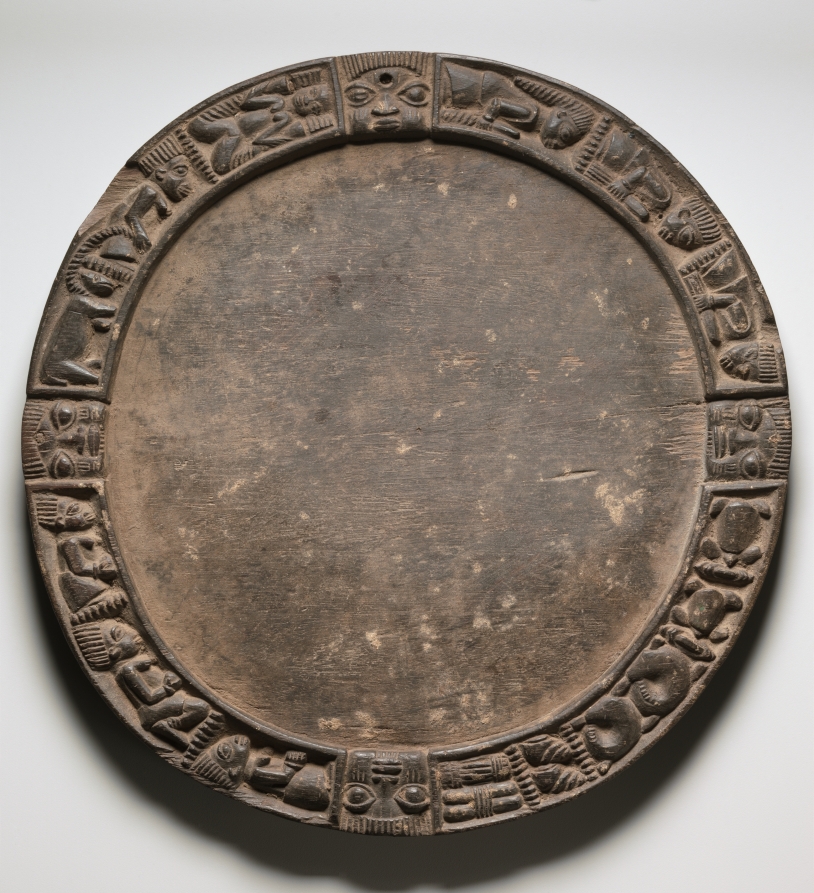
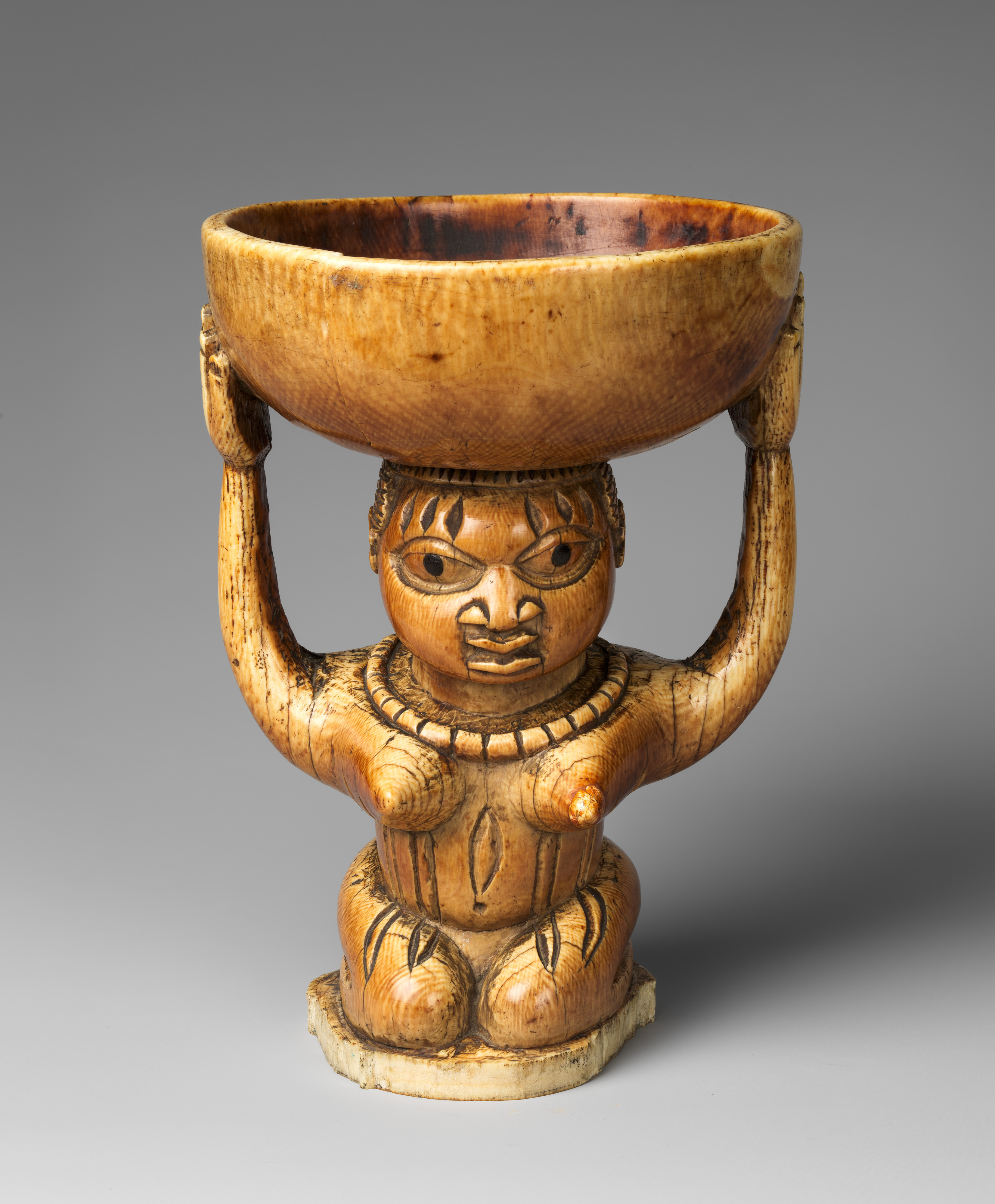
Divination Tray (ọpọ́n Ifá)Gift of Drs. James and Gladys StrainThe Cleveland Museum of Art · CC0
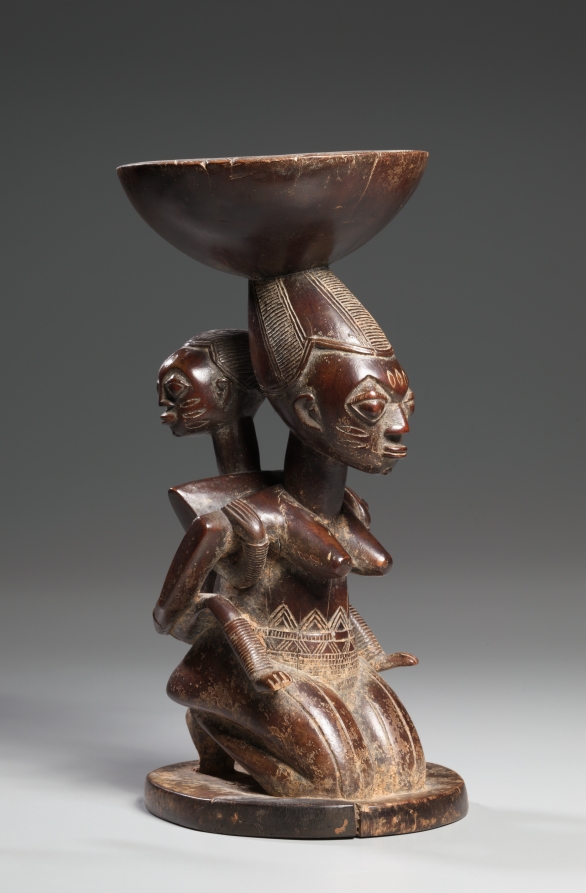
Ifá divination vessel (àgéré Ifá)
Leonard C. Hanna Jr. Fund
The Cleveland Museum of Art · CC0
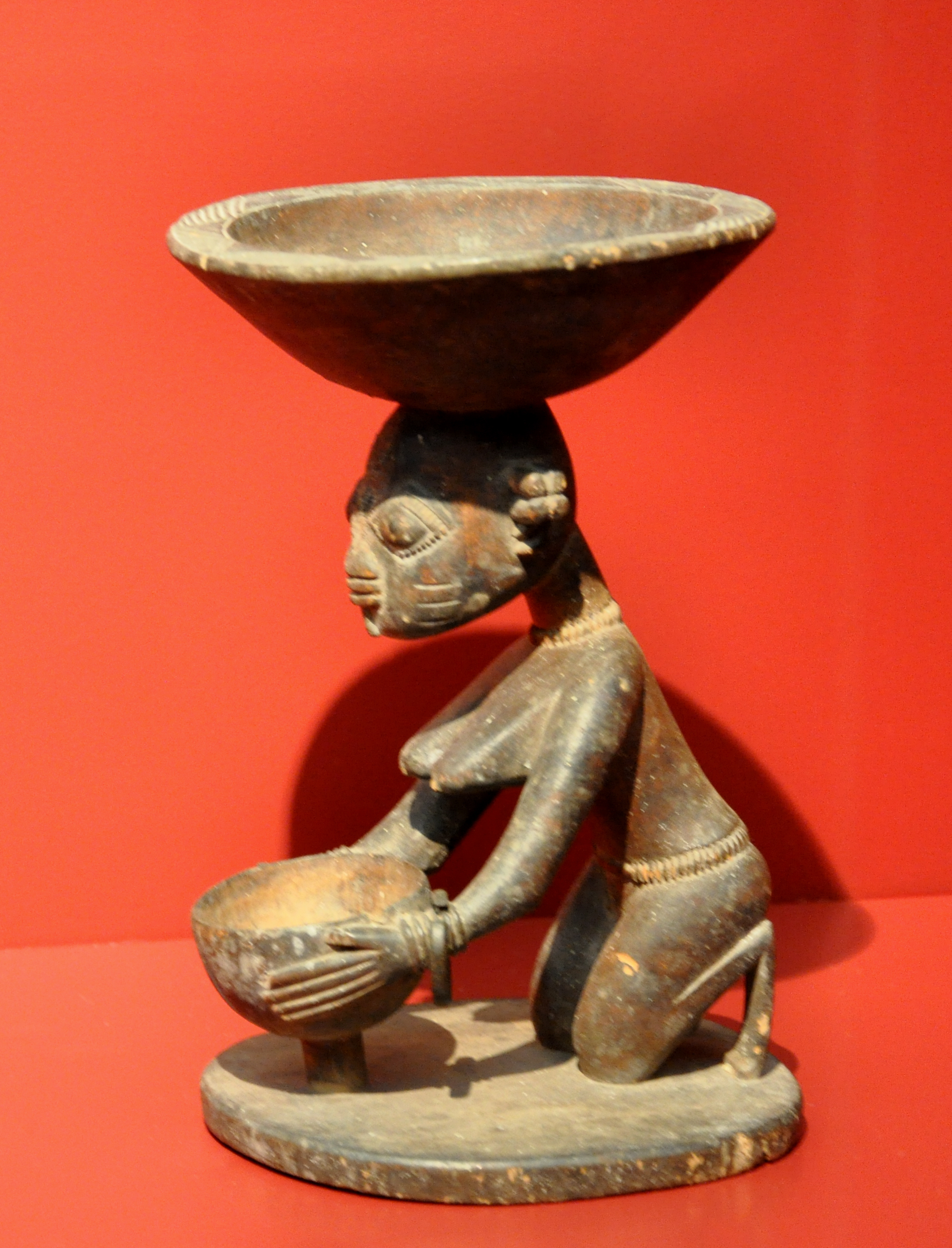
Orakelschale agere ifa Museum Rietberg RAF 652Self-photographedWikimedia Commons · Public domain
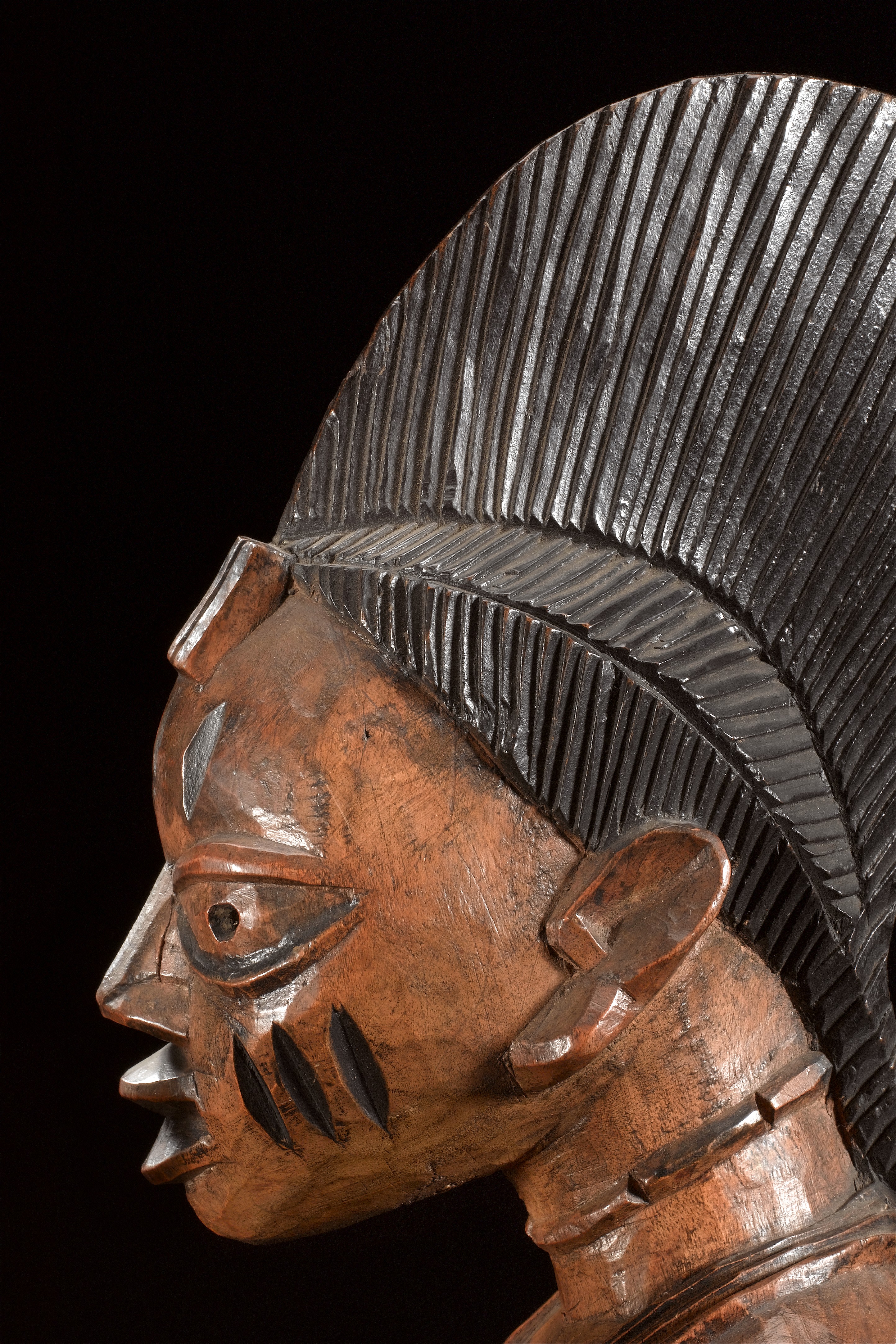
Carved wooden divination bowl called "Adjeke Ifa" or Adjelefhttps://wellcomeimages.org/indexplus/obf_images/15/52/afc6c82754c299f56b12d7de67a7.jpg
Gallery: https://wellcomeimages.org/indexplus/image/L0057538.html
Wellcome Collection gallery (2018-03-27): https://wellcomecollection.org/works/hcx9afnm CC-BY-4.0Wikimedia Commons · CC BY 4.0
Di Odù Ifá na di main oral literary and divination corpus of di Yorùbá people, wey get 256 structural volumes wey preserve thousands of poetic verses, philosophical treatises, historical narratives, and liturgical prescriptions . For di bottom of di system, e dey operate like formal epistemology, as e dey define wetin qualify as legitimate knowledge (ìmọ̀), how dem dey verify truth (òótọ́), and how human beings dey get insight into matters wey pass ordinary eye and senses to observe . With direction from di divinity Ọ̀rúnmìlà (di divinity of wisdom and hermeneutics), Ifá consultation dey use binary combination method take map specific life questions to di corpus, as e dey bridge di space between destiny wey person choose before birth (àyànmọ́), human choices, and historical precedent .
Ontological and Epistemic Architecture: Ọ̀rúnmìlà as Ẹlẹ́rìí Ìpín
For Yorùbá metaphysics, Ifá dey refer at di same time to di oral storehouse of cosmic wisdom and to di divination process itself, while Ọ̀rúnmìlà (wey dem analyze etymologically as Ọ̀rún-lọ-mọ-ẹni-tí-ó-là, meaning "na only heaven sabi who go dey saved") na di personified divinity wey dey oversee dat wisdom . Dem dey address Ọ̀rúnmìlà with di liturgical title Ẹlẹ́rìí Ìpín (di witness of destiny or creation) .
Epistemic Hierarchy of Yorùbá Cognition:
[Ọlọ́dùmarè] ──> Omniscience: Source of All Being (Àṣẹ)
│
[Ọ̀rúnmìlà / Ifá] ──> Epistemic Mediator (Ẹlẹ́rìí Ìpín: Witness to Destiny)
│
[Babaláwo / Ìyánífá] ──> Trained Hermeneutic Specialist (Imo & Interpretation)
│
[The Client / Human Agent] ──> Empirical Observer (Limited to Mọ̀ by Direct Witness)
Di title Ẹlẹ́rìí Ìpín na wetin establish di main epistemological justification for divination . According to cosmological narratives wey dey recorded across di corpus, when each human spirit (ẹ̀mí) kneel down for front of Ọlọ́dùmarè (di Supreme Divinity) inside Ọ̀run (di celestial realm) to receive or choose their Orí (di physical and spiritual head wey carry destiny), na only Ọ̀rúnmìlà stand as di accredited witness to dat transaction .
Because di trauma of physical birth into Ayé (di material world) dey make human beings forget wetin dem choose, mortal perception dey epistemologically blind to di foundation of personal destiny . Therefore, divination no be just random fortune-telling, but na systematic epistemic mechanism wey dem design to recover forgotten pre-natal agreements, diagnose where person don divert from their proper life path, and restore alignment with cosmic order .
The Binary Combinatorial Engine: 16 Ojú Odù and 256 Odù
Di organizational framework of Ifá dey mathematical and combinatorial . Di architecture rest on sixteen primary figures wey dem dey call di Ojú Odù (di principal eyes or faces of Odù), wey dey combine exponentially to form 256 composite signs .
The Sixteen Principal Odù (Ojú Odù) in Hierarchical Sequence:
1.  Èjì Ogbè (Ogbè Méjì)       9.  Ògúndá Méjì
2.  Ọ̀yẹ̀kú Méjì                10. Ọ̀sá Méjì
3.  Ìwòrì Méjì                11. Ìká Méjì
4.  Òdí Méjì                  12. Òtúrúpọ̀n Méjì
5.  Ìrosùn Méjì               13. Òtúrá Méjì
6.  Ọ̀wọ́nrín Méjì              14. Ìrẹtẹ̀ Méjì
7.  Ọ̀bàrà Méjì                15. Ọ̀sẹ́ Méjì
8.  Ọ̀kànràn Méjì              16. Òfún Méjì (Òràngún Méjì)
Each primary sign get one single vertical column of four binary marks, where one vertical stroke (I) mean open, odd, or light state, and double vertical stroke (II) mean closed, even, or dark state .
When dem put two four-element columns side by side on top di divination tray (ọpọ́n Ifá), dem dey produce an eight-bit matrix wey fit give $2^8 = 256$ different combinations . When di same principal signs appear for both columns, dem dey form one of di sixteen Ojú Odù (for example, Èjì Ogbè, wey show four single strokes for both columns). When two different principal signs combine, dem dey form one of di 240 secondary permutations wey dem dey call Amúlù Odù or Ọmọ Odù (di blended offspring of Odù), like Ogbè-Ìwòrì or Ọ̀sá-Òtúrá .
Binary Notational Structure of Ojú Odù:
Èjì Ogbè             Ọ̀yẹ̀kú Méjì            Òdí Méjì             Òfún Méjì
 I     I              II     II              I     I              II     II
 I     I              II     II              II    II             I       I
 I     I              II     II              II    II             II     II
 I     I              II     II              I     I              I       I
Ethnomathematicians like Ron Eglash and Marcia Ascher don show say dis system be early formalization of binary logic and algorithmic information retrieval . Every single permutation inside di 256 Odù dey serve as structural node for open-ended number of poetic verses wey dem dey call ẹsẹ Ifá . Wande Abimbola estimate say master diviners dey memorize hundreds of verses per Odù, wey dey produce an oral encyclopedia wey contain tens of thousands of diagnostic narratives across botany, zoology, statecraft, psychology, and medicine .
Instruments and Divinatory Mechanics
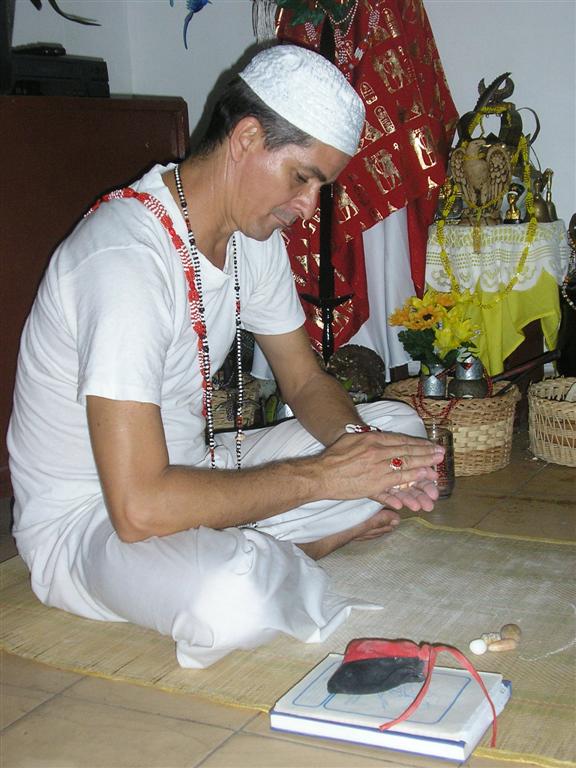
To interrogate di corpus, a babaláwo (literally "father of secrets," male priest-diviner) or an ìyánífá (literally "mother of Ifá," female priest-diviner) dey use standardized physical apparatuses :
Ìkín Ifá. Di sixteen sacred palm nut-dem wey dem get from one particular type of oil palm (Elaeis guineensis). Divination with ìkín na di method wey dey most solemn and definitive . Di diviner dey place di sixteen nuts for di two hands and go try grab all of dem at once with di right hand. If two nuts remain for inside di left palm, di diviner go draw single stroke (I) inside di wood-dust wey dey di divination tray. If one nut remain, di diviner go draw double stroke (II). If zero or pass two nuts remain, di cast no count. Dem dey repeat dis action eight times to make di full two-column sign .
Ọ̀pẹ̀lẹ̀. Di divining chain, wey get eight half-seed pods or concave brass plates wey short-short chain join together . Dem dey hold di chain for di middle and throw am across mat. When e land, di convex (smooth/closed) or concave (hollow/open) position of di eight pods dey bring out di full eight-bit configuration of one Odù at once with single action, wey dey serve as di standard instrument for everyday consultations .
Ọpọ́n Ifá. Di carved wooden divination tray, wey normally dey circular, semicircular, or rectangular, wey di raised perimeter get fine carvings and always dey show di carved face of Èṣù, di divine intermediary and trickster wey dey oversee ritual communication . Di center wey bend go inside get ìyẹ̀ròsùn powder (one sacred light-yellow wood powder wey termites make when dem chop Baphia nitida or Milicia excelsa tree), wey dey hold di Odù marks wey dem imprint .
Ìrókẹ́ Ifá. Di tapper, wey dem carve from ivory, wood, or brass, wey di priest dey use tap di edge of di ọpọ́n Ifá with rhythm to call Ọ̀rúnmìlà and ancestral diviners (awo) when di ritual session dey start .
Ìbò. Di casting lots wey dem dey use narrow down di general sign go specific alternatives . Di set normally dey include pair of cowrie shells wey dem tie together (wey mean yes, life, or prosperity), piece of animal bone (wey mean no, death, or loss), smooth pebble, piece of broken pot, and seed .
The Physical Divinatory Arrangement:
             [Top of Tray: Face of Èṣù (Ojú Ọpọ́n)]
                    ┌───────────────────┐
                    │   ỌPỌ́N IFÁ        │
                    │                   │
                    │   Imprinted       │
                    │   Odù in          │
                    │   Ìyẹ̀ròsùn        │
                    │                   │
                    └───────────────────┘
           [Bottom of Tray: Facing the Babaláwo]
                             ▲
                             │
 [Babaláwo] ─────────────────┴───────────────── [The Client]

(Holds Ìrókẹ́/Ìkín)                             (Holds Ìbò tokens secretly)
Epistemological Categories: Mọ̀, Gbàgbọ́, and Òótọ́
Di central epistemological question wey Ifá raise na how dem dey justify wetin e claim as knowledge inside Yorùbá philosophical discourse. Through extensive field research with master herbalists and diviners (oníṣègùn and babaláwo), philosophers Barry Hallen and J. Olubi Sodipo analyze di conceptual structure of Yorùbá epistemic vocabulary, and show say indigenous philosophy draw clear line between mọ̀ (to know) and gbàgbọ́ (to believe or accept wetin person talk) .
Comparison of Hallen-Sodipo Epistemic Categories in Yorùbá Thought:
Ifá Cognition Divinatory revelation Systematic binary diagnosis Transcendental /
(Ẹlẹ́rìí Ìpín / Oracular) and practical efficacy (Ẹbọ) Objective Truth
According to Hallen and Sodipo, dem dey talk say person mọ̀ only wetin dem don directly experience or witness with dia own physical senses (rí, to see) . If person never personally observe wetin happen, any claim wey di person make about am dey fall under ìgbàgbọ́ (belief or acceptance of hearsay) . For everyday social transactions, ìgbàgbọ́ dey for lower epistemic rank pass ìmọ̀, because human testimony fit easily make mistake and e open to distortion, misunderstanding, or lie (irọ́) .
Text: Philosophical Verse on Truth and Reality from Odù Òtúrá Méjì


Original metrical Yoruba:
Òótọ́ ní ń tìlú Èyí bọ̀wá;
Ìrọ́ ní ń kọ̀ lẹ́gbẹ̀ẹ́ títí.
Bí a bá fowó kọ́lé,
Bí a bá folóyè ra màlúù,
Bí a kò sọ̀rọ̀ òótọ́,
Gbogbo rẹ̀ ní ń gbó run.
Òótọ́ dọba,
Ìrọ́ dọmọ èrò lẹ́bàá ọ̀nà.


Literal gloss:
Truth is-what from-town This is-coming;
Falsehood is-what is-refusing at-the-side continuously.
If we should with-money build-house,
If we should with-chieftaincy buy-cattle,
If we do-not speak-word-of truth,
All of-it is what dries-up into-ruin.
Truth becomes-king,
Falsehood becomes-child-of passer-by along path.


Idiomatic English translation:
Truth arrives openly from the city;
Falsehood lurks forever by the edges of the road.
Though we spend fortunes to erect mansions,
Though we acquire chieftaincies and amass herds,
If we fail to speak the truth,
All our gains will wither into nothingness.
Truth reigns supreme as king,
While falsehood wanders as an outcast on the wayside.
(Recorded and translated by Wande Abimbola [S1]).
Notes on di translation: For line 1, Èyí dey refer metonymically to di celestial order or di visible community of upright souls. Di phrase dọba (dey become king) dey show ontological supremacy: for Yorùbá epistemology, òótọ́ (truth) no be just linguistic property of sentence, but na active cosmological force wey dey last pass transient material power. Ìrọ́ (falsehood) dem describe am as ọmọ èrò (vagabond or passenger wey no get permanent home), wey dey emphasize say untruth no get structural foundation for reality.
Divination dey settle di limitation of wetin human sensory knowledge fit reach . Because human agents no fit directly witness past celestial events or wetin fit happen for future, ordinary human testimony about destiny structurally impossible . As e dey invoke Ọ̀rúnmìlà, di babaláwo dey appeal to epistemic authority wey directly witness di client pre-natal allotment . Ifá dey transform wetin for just be blind belief (ìgbàgbọ́) enter actionable knowledge (ìmọ̀) through formal procedure wey dey eliminate human guesswork .
Epistemic Distance, Client Autonomy, and di Suppression of Subjective Bias
One special feature of Ifá divination na di strong institutional mechanism to maintain epistemic distance and eliminate charlatanism . Unlike Western mediumship, where psychic dey claim direct clairvoyance enter di client private thoughts, traditional Ifá consultation explicitly bar di diviner make e no know di client problem beforehand .
Iterative Consultation and Filtering Architecture:
[Step 1: Silent Inscription]
Client whispers existential crisis secretly to a coin / cowrie
│
▼
[Step 2: Binary Manipulation]
Babaláwo casts Ọ̀pẹ̀lẹ̀ or Ìkín to reveal Primary Odù
│
▼
[Step 3: Chanting of Archetypal Verses]
Babaláwo recites all major Ẹsẹ Ifá belonging to that Odù
│
▼
[Step 4: Epistemic Convergence]
Client listens privately and identifies the matching historical archetype
│
▼
[Step 5: Ìbò Verification]
Babaláwo uses binary token casts to determine Ìrẹ (Fortune) or Ibi (Affliction)
│
▼
[Step 6: Prescription and Remediation]
Babaláwo prescribes specific Ẹbọ (Sacrifice) and behavioral adjustments
When client enter di diviner consultation space, dem go whisper dia particular existential anxiety or question enter coin or cowrie shell without letting di babaláwo hear . Di client go place di token on top di tray. Di babaláwo go come cast di ọ̀pẹ̀lẹ̀ or manipulate di ìkín, and e go read only di resulting geometric sign .
Once di Odù appear, di priest go recite di metrical verses wey follow dat sign . Di verses dey present series of archetypal narratives wey explain how ancient gods, humans, animals, or inanimate objects take face similar crises, which sacrifices dem prescribe, and wetin happen after . Di client go listen quietly, dey evaluate which narrative match di private problem wey dem whisper enter di coin .
To verify di exact diagnosis and determine whether di sign mean ìrẹ (fortune/blessings) or ibi (affliction/misfortune), di babaláwo dey use di ìbò tokens . Di priest go hand two tokens (like cowrie shell wey represent affirmative and bone wey represent negative) give di client, tell dem make dem hide one inside each closed fist . Di diviner go come cast di ọ̀pẹ̀lẹ̀ two more times. According to di structural hierarchy of di Odù wey appear for di subsequent throws, di babaláwo go ask di client make dem open either di right or di left hand .
Because di diviner no fit know which token dey which hand, na mathematically through di succession of senior and junior Odù dem take determine di outcome, no be through di priest conscious manipulation . William Bascom observe say dis procedure dey prevent cold reading, and e dey ensure say di diagnosis remain objective revelation of di system rather than product of psychological suggestion .
Hermeneutics and di Anatomy of Ẹsẹ Ifá
Di primary literary unit of di corpus na di Ẹsẹ Ifá (di metrical divination verse) . For im foundational structural analysis, Wande Abimbola demonstrate say complete, unabridged ẹsẹ Ifá dey contain maximum of eight structural parts, wey four of dem dey mandatory and four na optional .
Structural Taxonomy of an Ẹsẹ Ifá (Abimbola's Eight-Part Formula):
Part   Designation                   Status     Function / Content
─────────────────────────────────────────────────────────────────────────────────────────────────
I      Orúkọ Babaláwo                Mandatory  Name of the ancient diviner(s) or mythological sage
II     Orúkọ Olùwádìí                Mandatory  Name of the client who consulted Ifá in antiquity
III    Ìdí Ìdáfá                     Optional   The historical occasion or crisis prompting inquiry
IV     Àṣẹ Ẹbọ                       Mandatory  The specific sacrifice and ritual prescription given
V      Ìṣe Ẹbọ                       Optional   Whether the client complied with or refused the ẹbọ
VI     Àbájáde Ẹbọ                   Mandatory  The practical outcome (deliverance or catastrophe)
VII    Ìdùnnú / Ìbànújẹ́              Optional   Client's emotional reaction (singing, dancing, grief)
VIII   Ọ̀rọ̀ Ìkìlọ̀ / Ìwà             Optional   Aphoristic moral or philosophical conclusion
Text: Archetypal Ẹsẹ Ifá from Odù Ògúndá Méjì

1. Original metrical Yoruba:
   (I)   Àpáró borí kọ̀rọ̀kọ̀rọ̀ gbóko;
         A dífá fún Ọ̀rúnmìlà,
   (II)  Nífẹ̀ẹ́ Akelùbẹbẹ,
   (III) Níjọ́ tí Ikú, Àrùn, Òfò, Ẹ̀gbà, gbogbo Ajogun burúkú,
         Wọ́n ń ya wá sọ́dọ̀ baba.
   (IV)  Wọ́n ní kí baba rúbọ:
         Àkùkọ adìyẹ mẹ́ta, agbeborọ adìyẹ mẹ́ta, àti ẹgbàáwàá owó.
   (V)   Ọ̀rúnmìlà gbọ́ rírú ẹbọ, ó rú;
         Ó gbọ́ ètùtù, ó ṣe é.
   (VI)  Ikú kò le pa baba mọ́,
         Àrùn kò le ṣe baba mọ́.
   (VII) Ìgbà tí ó rúbọ tán,
         Ó ní: "Ayé yẹ mí, ayé tù mí."
         Ó bẹ̀rẹ̀ sí í kọrin, ó ní:
   (VIII)"Ẹyẹ tí kò gba tọ̀tún,
         Kò gba tòsì,
         Àárín gbungbun ní ń gbé fò."

2. Literal gloss:
   (I)   Partridge has-head rounded in-bush;
         Cast divination for Ọ̀rúnmìlà,
   (II)  In-Ife of-Akelubebe,
   (III) On-the-day when Death, Disease, Loss, Paralysis, all evil Ajogun,
         They were descending toward father.
   (IV)  They said that father should offer-sacrifice:
         Cocks three, mature-hens three, and twenty-thousand cowries.
   (V)   Ọ̀rúnmìlà heard offering-of sacrifice, he offered;
         He heard appeasement, he did it.
   (VI)  Death no-longer could kill father anymore,
         Disease no-longer could afflict father anymore.
   (VII) Time that he sacrificed finished,
         He said: "Life suits me, life soothes me."
         He began to sing, he said:
   (VIII)"Bird that does not take right-side,
         Does not take left-side,
         Middle exact is where it flies."

3. Idiomatic English translation:
   (I)   The partridge hides its rounded head safely in the forest brush;
         This was the diviner who cast Ifá for Ọ̀rúnmìlà,
   (II)  In the city of Ifẹ̀ Akelùbẹbẹ,
   (III) On the terrifying day when Death, Sickness, Loss, and Paralysis,
         And all the malignant warrior spirits marched upon his household.
   (IV)  The diviners instructed him to offer a sacrifice:
         Three roosters, three breeding hens, and twenty thousand cowries.
   (V)   Ọ̀rúnmìlà listened and performed the prescribed sacrifices;
         He carried out all the ritual appeasements.
   (VI)  Death lost its power to slay the master,
         And sickness could no longer breach his home.
   (VII) Having secured complete deliverance through sacrifice,
         He exclaimed: "Life fits me well; life brings me profound peace."
         He lifted his voice in triumphant song:
   (VIII)"The bird that swerves neither to the extreme right,
         Nor tilts toward the extreme left,
         Soars securely through the balanced center of the heavens."
   (Recorded and translated by Wande Abimbola [S1]).
Notes on di translation: Part I use di name of di diviner (Àpáró borí kọ̀rọ̀kọ̀rọ̀ gbóko), wey dey act as poetic ideophone to describe how wild bird dey move fast and disguise body make predator no catch am. Part III list out di Ajogun (di wicked spirit warriors wey be Death, Sickness, Loss, and Paralysis), and e present human struggle for life as fight between destructive cosmic forces and protective ritual arrangement. Di philosophical proverb for Part VIII pack di main Yorùbá moral teaching about moderation (àárín gbungbun), dey talk say safety and wisdom dey when person reject extreme belief.
History and Evolution
Di history of Ifá dey show how e continue to change e structure through empire building, war, clash with Christian missionaries, colonial oppression, and how university and academic institutions all over di world take accept am .
Chronological Evolution of Ifá Epistemology:
Pre-1500 CE       Origins at Ilé-Ifẹ̀; formation of sixteen primary lineages
│
17th–18th C.      Ọ̀yọ́ Empire: Institutionalization of Royal Diviners (Babaláwo Ọba)
Spread to Fon (Fá) and Ewe kingdoms across the Bight of Benin
│
19th C.           Yorùbá Civil Wars: Dispersion across military strongholds (Ìbàdàn, Abẹ́òkúta)
Transatlantic Slave Trade: Translocation to Cuba (Santería) and Brazil (Candomblé)
│
1890s–1950s       Missionary assault; E.M. Lijadu documents Ifá texts (1897, 1908)
Colonial Witchcraft Ordinances marginalize indigenous epistemologies
│
1960s–1980s       Post-independence academic codification: Wande Abimbola, William Bascom
│
2005–Present      UNESCO Proclamation as Masterpiece of Oral and Intangible Heritage
Global diaspora expansion and philosophical debates on female initiation (Ìyánífá)
Pre-Colonial Origins and di Ọ̀yọ́ Imperial Order
Yorùbá oral tradition trace di origin of Ifá as institution go back to Ilé-Ifẹ̀, where Ọ̀rúnmìlà teach im sixteen main disciples before e go up enter Ọ̀run . But historians and archaeologists don record say divination systems wey dey use sixteen-point pattern develop across West Africa over many centuries, dey mix well with geomancy systems for di region .
During di time wey Ọ̀yọ́ Empire dey gain power for di seventeenth and eighteenth centuries, Ifá come formally enter inside palace governance . Di Alaafin (king of Ọ̀yọ́) hold permanent council of royal diviners (Babaláwo Ọba) wey di Arọ́kin (palace historians and oral record keepers) dey lead . Divination dey decide army movement, coronation rites, diplomacy between kingdoms, and how dem take select senior chiefs . Through Ọ̀yọ́'s empire expansion, Ifá spread go south and west enter Dahomey and Fon-speaking areas, where dem adopt am as Fá under King Agaja and King Tegbesu during di eighteenth century .
Nineteenth-Century Warfare and di Transatlantic Spread
Di collapse of di Ọ̀yọ́ Empire and di start of di nineteenth-century Yorùbá civil wars change di social structure of di priesthood well well . Divination groups based on family lineage for big towns wey destroy scatter go enter new war camps and defensive settlements like Ìbàdàn, Abẹ́òkúta, and Ìjàyè . Inside dis military republics, diviners play very important logistical roles, dey advise war chiefs on when to strike and how to negotiate peace agreements .
At di same time, di transatlantic slave trade carry thousands of initiated Yorùbá men and women go Caribbean and South America . For nineteenth-century Cuba, initiated babalawos keep di core mathematical structure of di 256 Odù, and dem gather di liturgical verses put inside written books wey dem call Libretas de Ifá inside Afro-Cuban Santería (Regla de Ocha-Ifá) . For Brazil, Ifá knowledge survive inside Candomblé Ketu, even though di complete ikin divination procedure come scarce well well, making way for di sixteen-cowrie system (ẹẹ́rìndínlógún) to become more prominent .
Missionary Contact and di Work of E.M. Lijadu
During di late nineteenth century, Christian missionary groups try to wipe out Ifá, dey classify am as demonic deceit and fake practice . Di 1852 Yorùbá dictionary wey Bishop Samuel Ajayi Crowther compile systematically translate traditional spiritual terms through negative Christian view, labeling babaláwo as "soothsayers" and Èṣù as di Christian "Devil" .
However, local African clergy quickly understand say Ifá be serious philosophical rival . Di person wey stand out pass for dis matter na di Anglican priest Reverend Emmanuel Moses Lijadu, an Ègbá clergyman wey base for Oǹdó . Between 1897 and 1908, Lijadu publish two landmark books inside Yorùbá: Ifá: Imọ́lẹ̀ Rẹ̀ Tí Ṣe Ìpìlẹ̀ Ẹ̀sìn ní Ilẹ̀ Yorùbá (1897) and Ọ̀rúnmìlà (1908) .
Lijadu argue say instead of to dey see Ifá as obstacle to civilization, e be genuine storehouse of indigenous revelation wey carry prophecies, moral ethics, and deep truths about existence wey resemble wetin dey inside Biblical scriptures . Di respectful documentation wey Lijadu do preserve rare early transcriptions of ẹsẹ Ifá and build di foundation for modern African indigenous theology .
Colonial Marginalization and Post-Independence Revival
Under British colonial rule, di Native Medicine and Witchcraft Ordinances of di early twentieth century make many traditional medical and judicial practices illegal, wey make diviners dey operate under government suspicion . Even with colonial pressure, ordinary Yorùbá people continue to rely on babalawos as their main psychological counselors, body healers, and people wey dey settle marriage and community disputes .
Afta Nigeria gain independence for 1960, Ifá come experience academic revival . Nigerian scholars, especially Wande Abimbola for University of Ibadan and later Obafemi Awolowo University (Ilé-Ifẹ̀), systematically record master diviners and publish authoritative transcriptions of di corpus, to show say di literary structure deep well well . For 1981, di Ọọ̀ni of Ifẹ̀ install Abimbola as di Àwísẹ Awo Nì Àgbáyé (World Spokesperson for Ifá) .
For 2005, UNESCO officially announce say di Ifá Divination System na Masterpiece of the Oral and Intangible Heritage of Humanity, and dem formally put am for di Representative List for 2008 . Today, Ifá dey operate as global spiritual and philosophical system wey get millions of practitioners across West Africa, North America, di Caribbean, and Europe .
Epistemic Debates and Scholarly Gaps
Di academic study of Ifá epistemology don generate four major debates among philosophers, anthropologists, and indigenous practitioners.
Key Scholarly Debates in Ifá Epistemology:
Debate Topic                  Proponents / Positions
─────────────────────────────────────────────────────────────────────────────────────────────
Historicity vs Myth           Sophie Oluwole: Historical philosopher-sage
of Ọ̀rúnmìlà                  Abimbola / Idowu: Primordial divinity (Òrìṣà)
Evolutionary Origin           Wande Abimbola: 16-Cowrie (Ẹẹ́rìndínlógún) preceded 256 Odù
of Combinatorics              Orthodox Priesthood: Unitary revelation at Ilé-Ifẹ̀
Scope of Epistemic            Hallen & Sodipo: Pure Mọ̀ requires physical sensory perception (Rí)
Status (Mọ̀ vs Gbàgbọ́)       Balogun / Adegbindin: Oracular revelation constitutes transcendental Mọ̀
Gender and Priesthood         Yorùbá Traditionalists / Ìyánífá: Women fully eligible for initiation
Initiation (Ìyánífá)          Afro-Cuban Orthodoxy: Strict male-only Babalawo restriction
Historicity Versus Mythological Divinity
Philosophers get different view on whether make dem interpret Ọ̀rúnmìlà as supernatural deity or as person wey really live for history as thinker . Sophie Oluwole argue say Ọ̀rúnmìlà na real historical philosopher wey live for ancient Yorùbáland, wey develop method of dialogic inquiry, binary logic, and fallibilist epistemology wey come before or match wetin Socrates do . Oluwole maintain say colonial Christian frameworks distort Yorùbá thought wen dem turn human wise man into sky-god wey hand no fit touch . On di other hand, traditional liturgical scholarship from Wande Abimbola and E. Bọlaji Idowu emphasize say di oral corpus clearly present Ọ̀rúnmìlà as primordial òrìṣà wey descend direct from Ọ̀run .
The Evolutionary Origin of the 256 Odù
One active debate dey about how di divination instruments take develop . Wande Abimbola bring forward di hypothesis say di 256 Odù system develop historically from di simpler sixteen-cowrie divination system (ẹẹ́rìndínlógún), wey specialized priestly guilds later double into eight-bit mathematical structure . In contrast, orthodox babaláwo lineages maintain say na as single, indivisible corpus dem reveal di 256 Odù, and dem claim say ẹẹ́rìndínlógún na just shortened derivative wey dem give women and worshippers of secondary òrìṣà .
The Epistemic Boundary of Mọ̀
Scholars dey debate how divinatory insight take fit into Hallen and Sodipo taxonomy of mọ̀ (to know) and gbàgbọ́ (to believe) . While Hallen and Sodipo argue say mọ̀ na strictly for wetin person see directly with physical eye (rí), philosophers like Oladele Balogun and Omotade Adegbindin argue say dis definition carry empiricism go too far . Dem maintain say inside di real Yorùbá worldview, divinatory insight wey pass through Ifá get certainty wey pass normal physical senses, and e dey function as transcendental ìmọ̀ instead of provisional belief .
Gender, Epistemic Authority, and the Ìyánífá Debate
Big sociological and theological dispute dey between West African and Afro-Cuban lineages about female initiation into di Ifá priesthood . For Yorùbáland, historically and even now, dem dey initiate women as ìyánífá, and dem get full rights to cast ìkín, chant ẹsẹ Ifá, and do divination for clients . In contrast, Afro-Cuban Santería traditions maintain orthodox restriction wey ban women from full Ifá initiation, and dem restrict female diviners strictly to di sixteen-cowrie shell system . Dis dispute don cause plenty international discussion, wey make contemporary diaspora practitioners dey travel go Nigeria more and more make dem fit receive full ìyánífá consecration .